
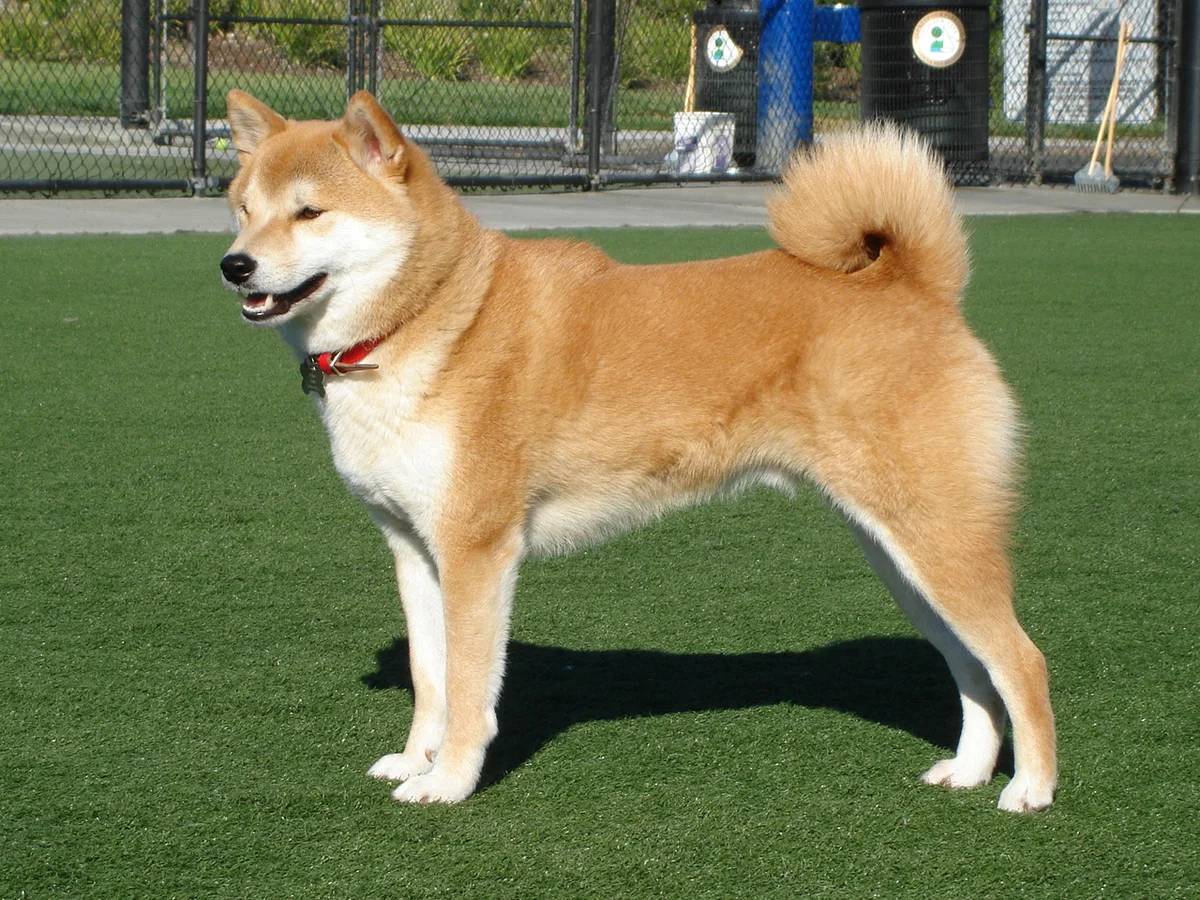
Small 7.7–10.4 kg
An independent Japanese Spitz that often values choice and personal space. Secure walks, patient handling and realistic expectations about obedience are more useful than a fox-like appearance.
Similar-looking Japanese breeds with a major difference in size and handling demands.
Small 7.7–10.4 kg
An independent Japanese Spitz that often values choice and personal space. Secure walks, patient handling and realistic expectations about obedience are more useful than a fox-like appearance.
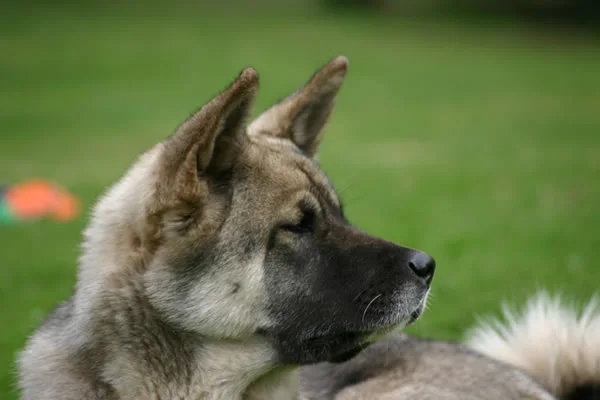
Large 31.8–59 kg
A large, powerful Akita described here using the AKC’s American-type reference. Careful social management and experienced handling matter more than a quiet outward manner.
An Akita is much larger and stronger than a Shiba Inu. That changes lead handling, equipment, transport and the consequences of a difficult encounter. Choosing the smaller dog does not make training optional; choosing the larger one requires a realistic handling plan.
Both can show independence rather than an eagerness to repeat every request. Reward-based training, secure boundaries and thoughtful introductions matter. Ask about the individual’s behaviour with unfamiliar dogs and other animals instead of assuming shared ancestry predicts compatibility.
Both have dense coats that shed and require maintenance. Ask about health screening and the dog’s social experiences. If this is your first dog, consider whether you have the time and support for the training and management described in the full profiles.
American Kennel Club: https://www.akc.org/dog-breeds/shiba-inu/ American Kennel Club: https://www.akc.org/dog-breeds/akita/
Your cookie preferences have been saved.