
Living with this breed
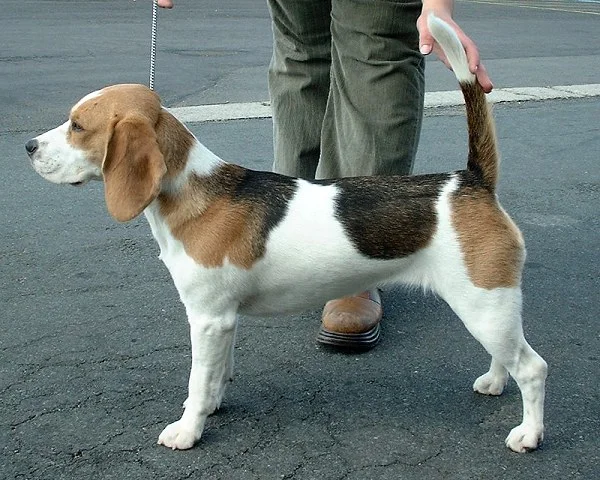
A Beagle experiences a walk through its nose. That makes slow investigation rewarding, but it can frustrate someone expecting constant attention or effortless off-lead obedience. The hound background also helps explain the voice. Listen to adult Beagles and consider close neighbours before deciding that the size suits your home.
Exercise and training
Use sniffing walks, food searches and carefully managed training to give the dog a job. Practise recall with suitable rewards while keeping a lead or secure enclosure where needed. A secure garden needs regular checks: a distracted owner and a gap beneath a fence can become an opportunity for exploration.
Coat care
The short coat is comparatively straightforward to maintain, but it sheds. Regular brushing, nail care and tooth brushing belong in the routine. Check the hanging ears for changes and seek veterinary advice for odour, redness or discomfort instead of repeatedly trying new cleaning products without finding the cause.
Household considerations
Beagles often enjoy other dogs, although introductions and resource management still matter. Their sociability can make prolonged isolation difficult for some individuals; build comfortable time apart gradually. Supervise children and avoid assuming that a food-motivated dog will tolerate hands near its bowl because the breed is generally friendly.
Health and questions to ask
Ask about eye, patella and hip assessments and relevant inherited conditions in the line. Discuss epilepsy and thyroid history where appropriate. Watch body condition because food interest can make overfeeding easy. This profile covers the AKC’s height varieties; the size of the individual matters more than a broad label.
Sources and approach
Breedlas combines registry information with editorial interpretation. Trait levels describe general tendencies, not guarantees about an individual dog.
Read our editorial approach