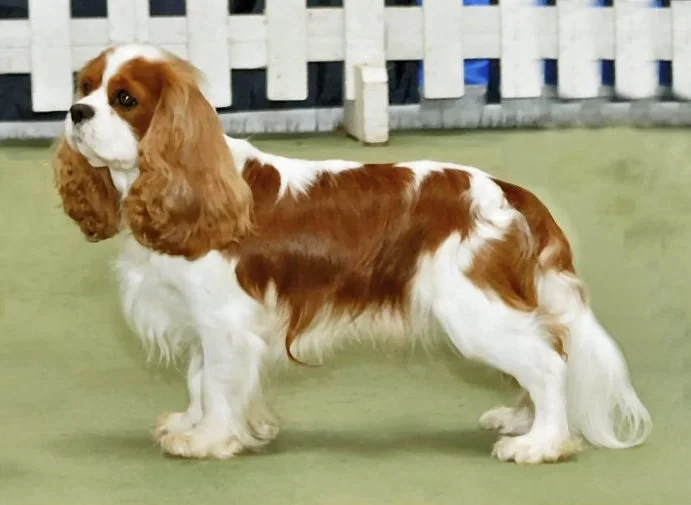
Small 5.9–8.2 kg
A gentle companion spaniel with an outdoor interest as well as a liking for company. Significant inherited health concerns deserve attention before personality or colour.
Floor space is only part of the decision. Noise, stairs, access to outdoor breaks and a realistic exercise routine often matter more than a dog's height.
We begin with breeds with lower to moderate exercise demands, then explain their caveats. This is a starting point for research, not an assessment of an individual home or dog.
These are starting points for research. Individual dogs, their history and your care arrangements matter.
Small 5.9–8.2 kg
A gentle companion spaniel with an outdoor interest as well as a liking for company. Significant inherited health concerns deserve attention before personality or colour.
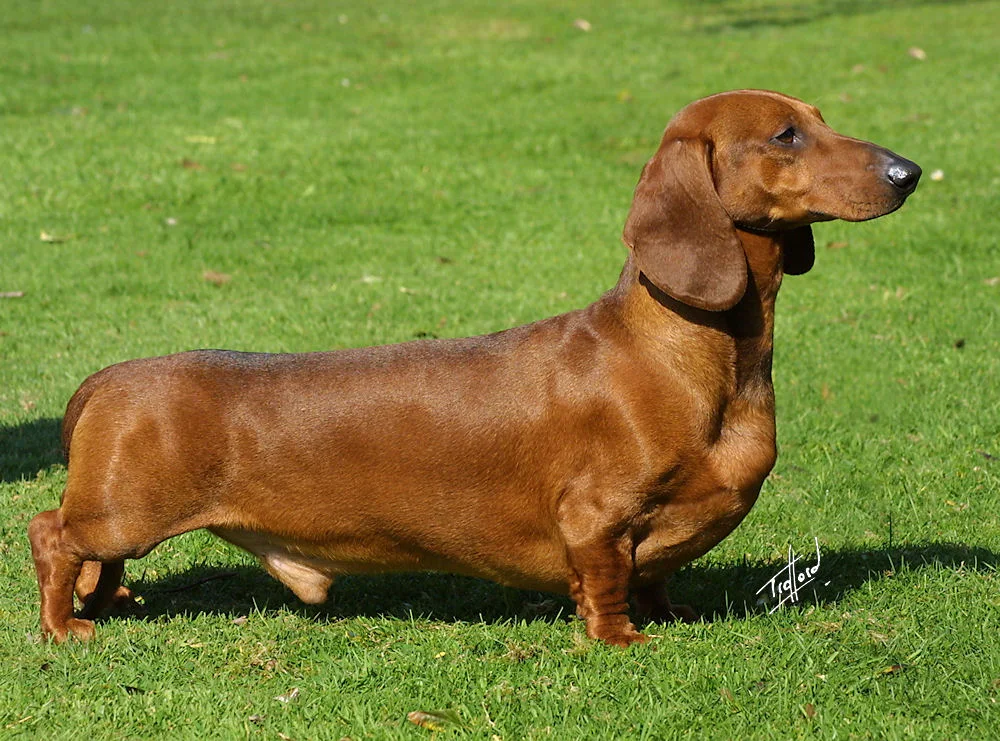
Small
A determined, low-to-the-ground hound with several coat and size varieties. A strong voice and particular attention to back health are part of the decision.
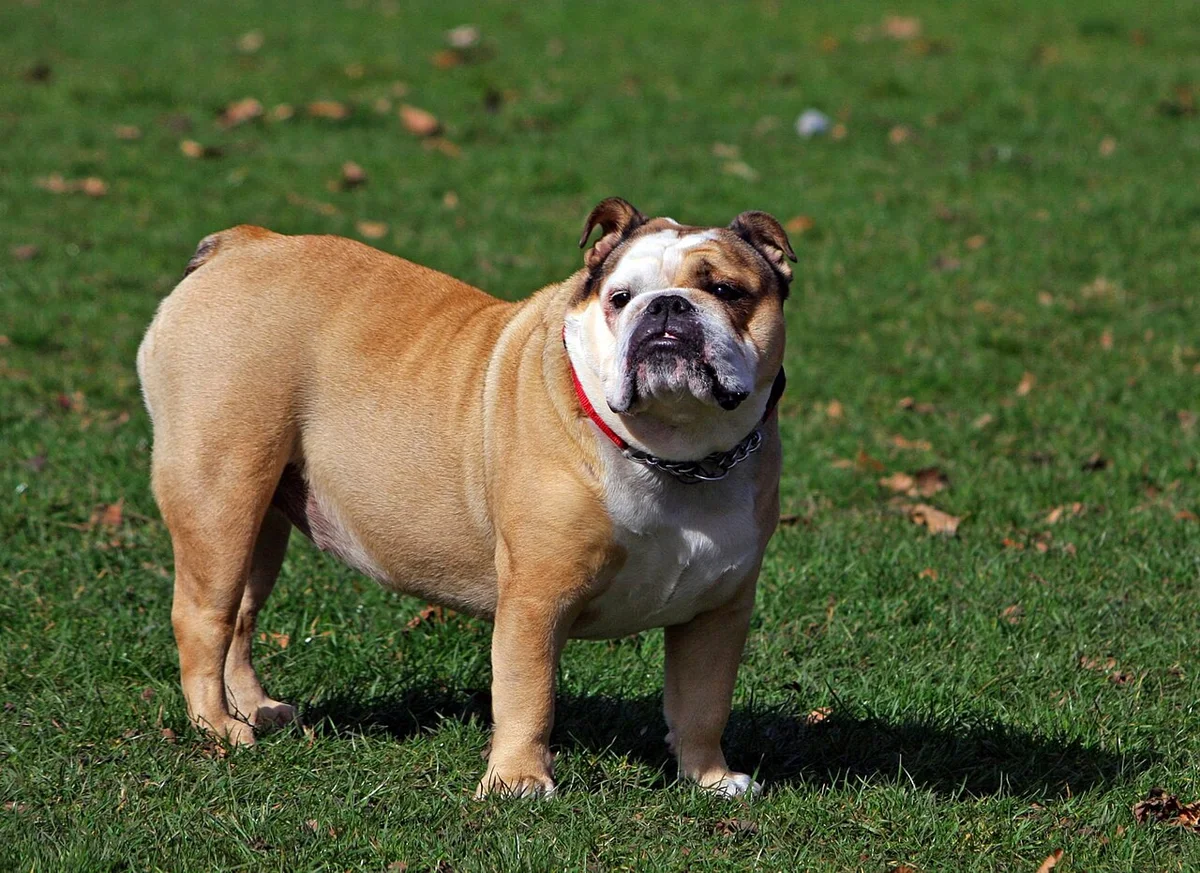
Medium 18.1–22.7 kg
A solidly built companion whose care is shaped by breathing, temperature and skin comfort. A modest walking pace does not make this a medically uncomplicated choice.
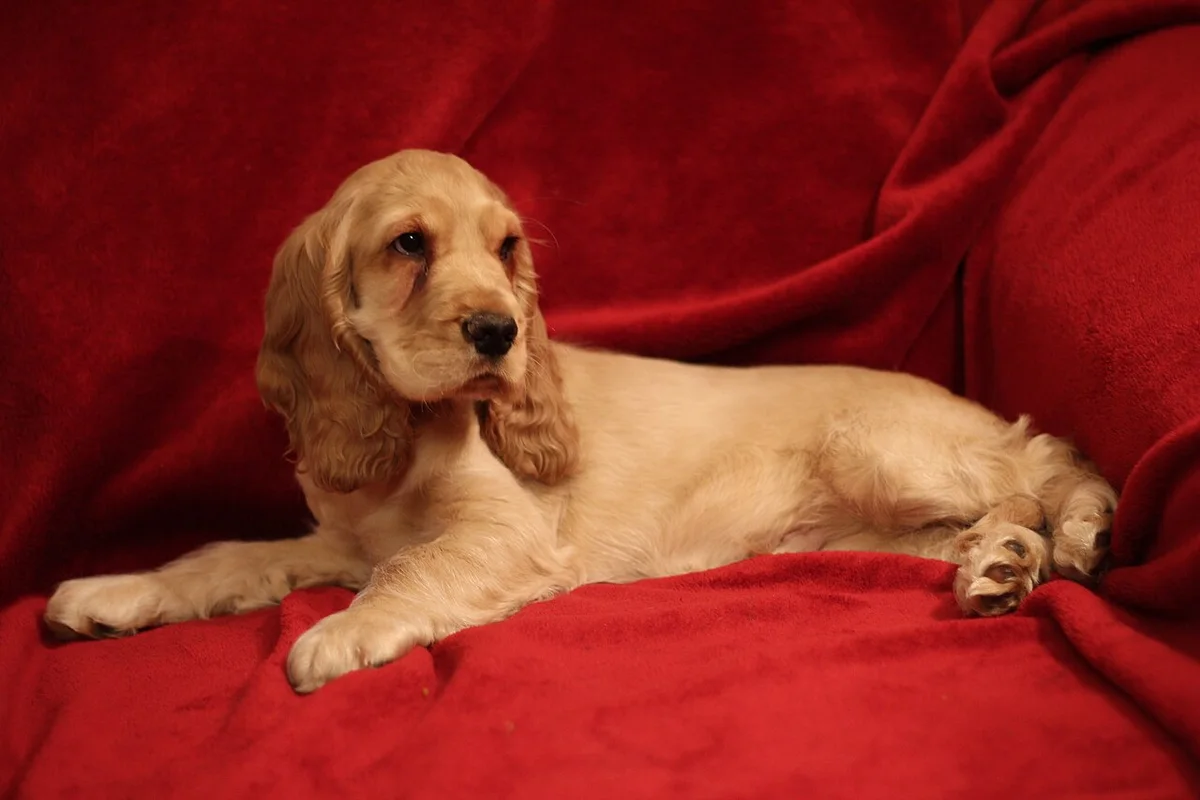
Medium 11.8–15.4 kg
An active, scent-interested spaniel whose attractive coat requires practical care. Working background and daily training interest matter when choosing the individual dog.
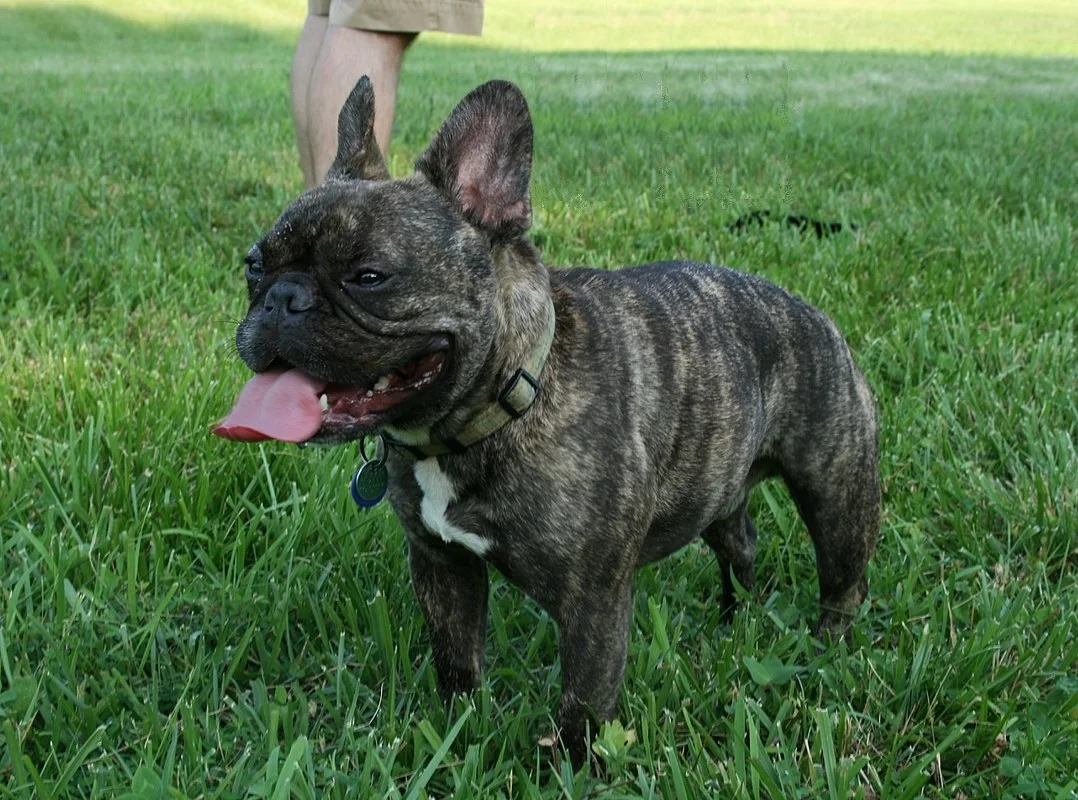
Small
A compact companion with a relatively simple coat but significant breathing and heat considerations. Low exercise intensity must not be mistaken for low care needs.
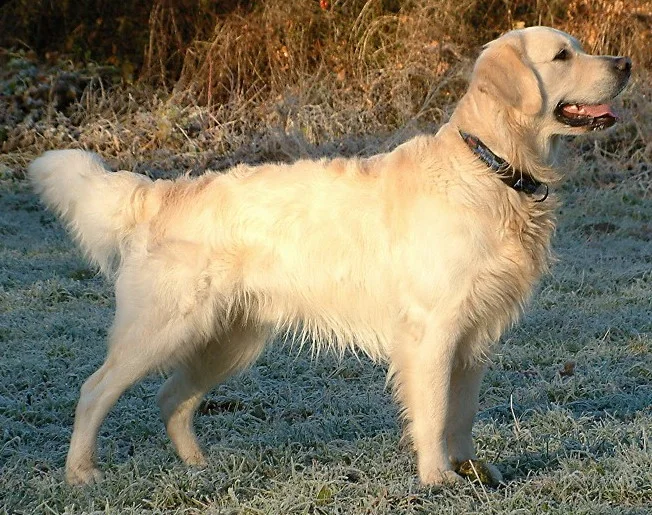
Large 24.9–34 kg
A sociable retriever that enjoys an active household. Expect regular exercise, daily training and dog hair on furniture.
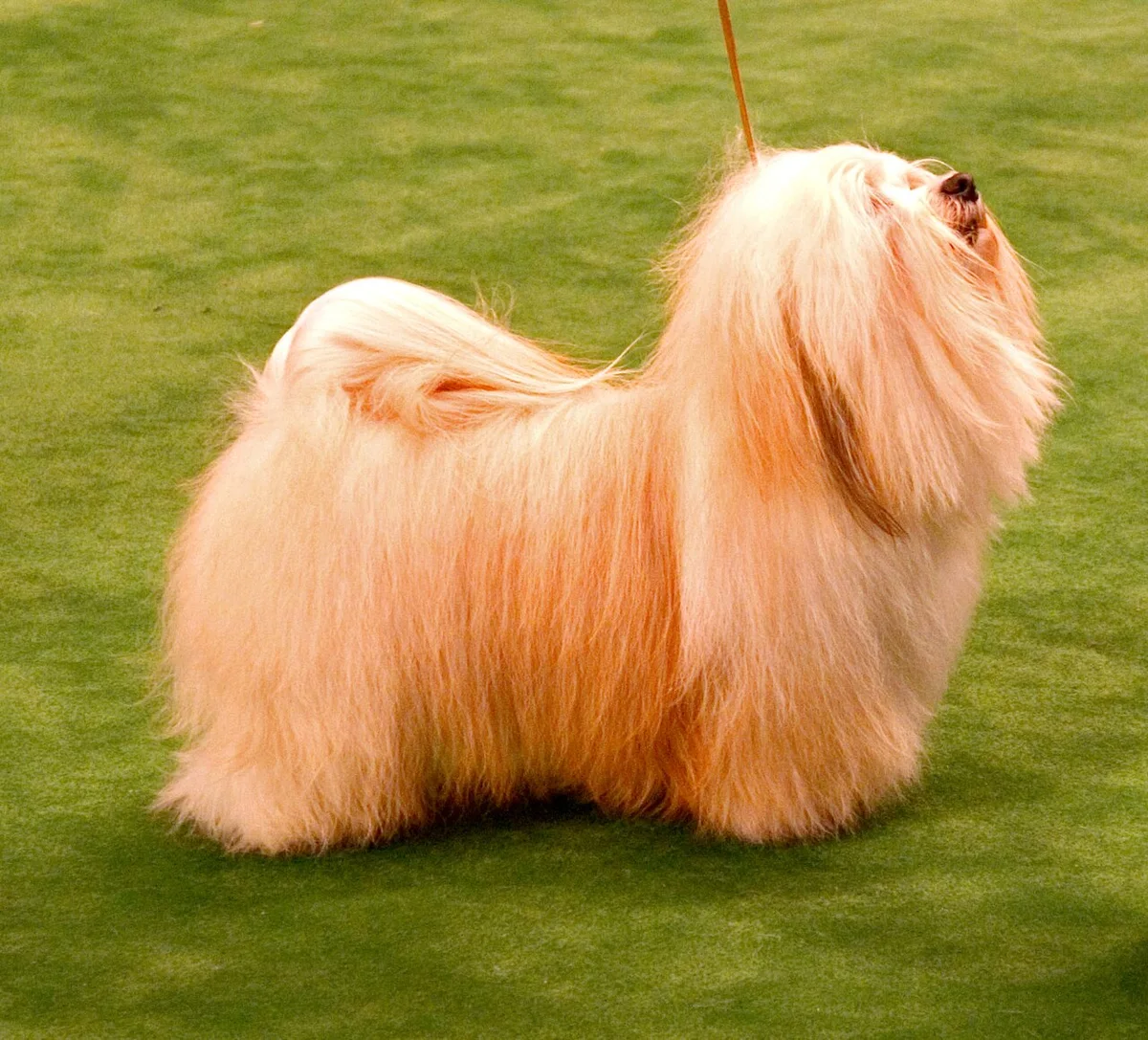
Small 3.2–5.9 kg
A lively companion that usually wants to share household life. Its soft coat and social nature call for regular grooming and a considered plan for time alone.
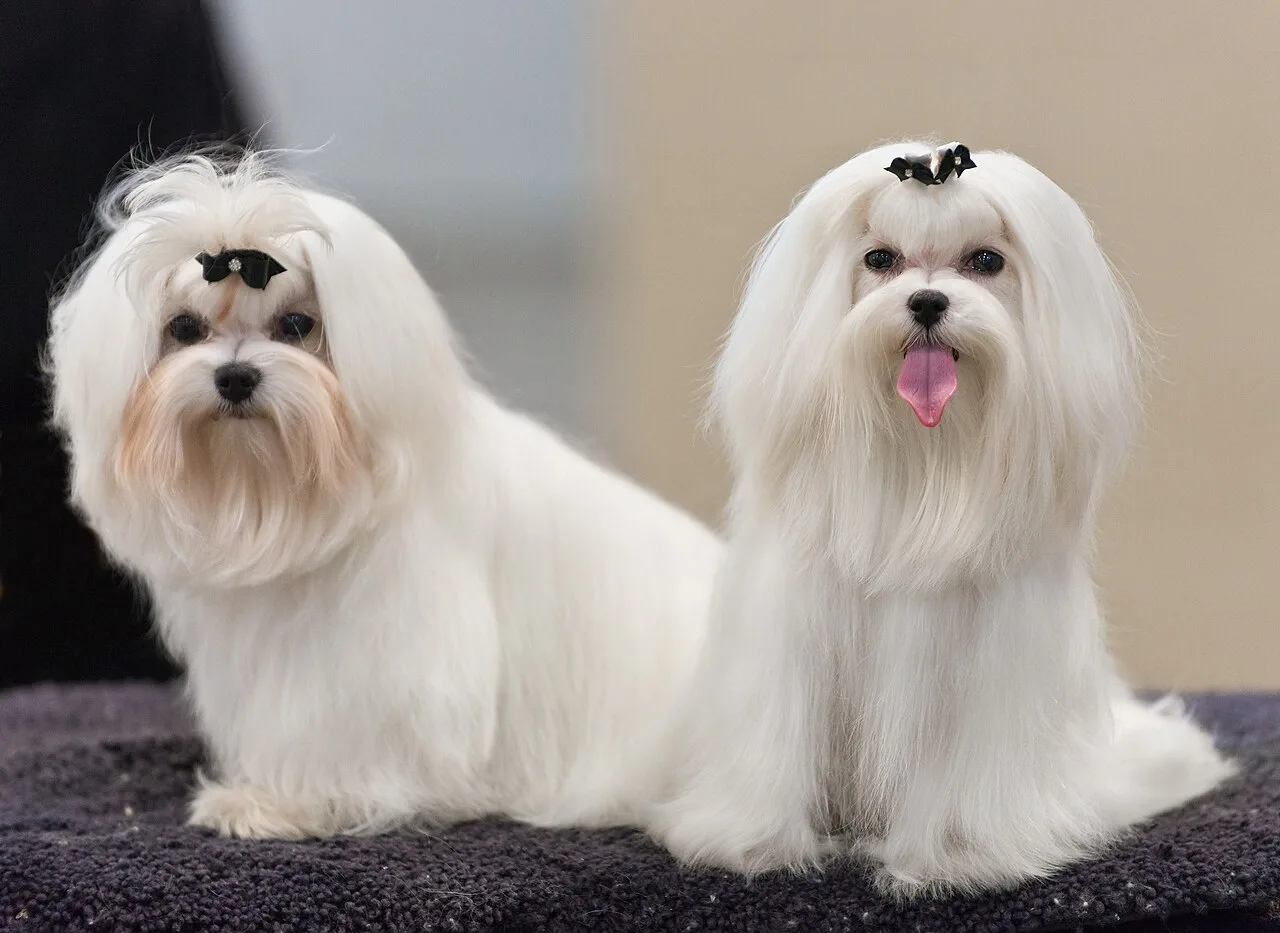
Small
A small companion with a low-shedding coat that requires regular care. A gentle home, sensible dental routine and gradual confidence-building are more useful than a decorative appearance.
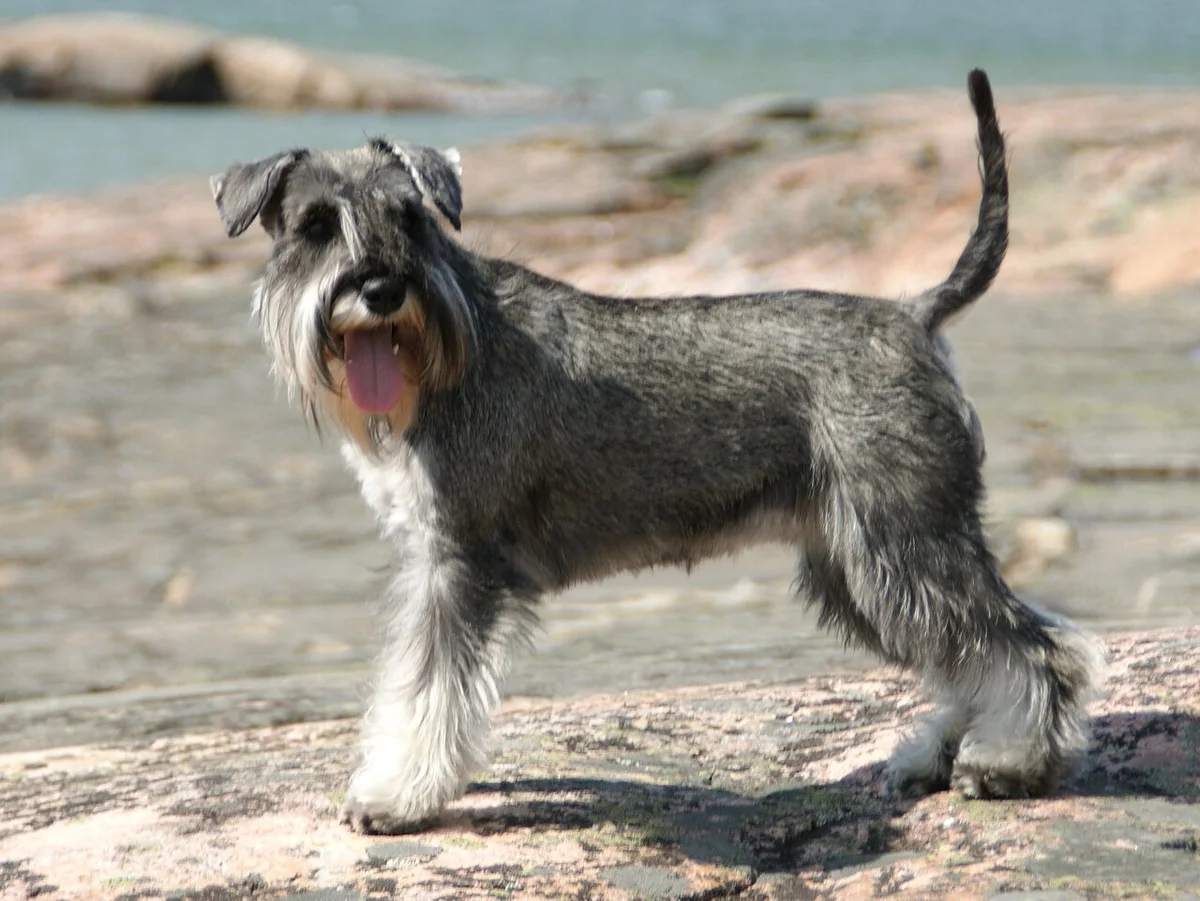
Small 5–9.1 kg
A sturdy small dog with an alert voice and a coat that requires clipping or specialist maintenance. An interested household should enjoy training as well as a distinctive beard.
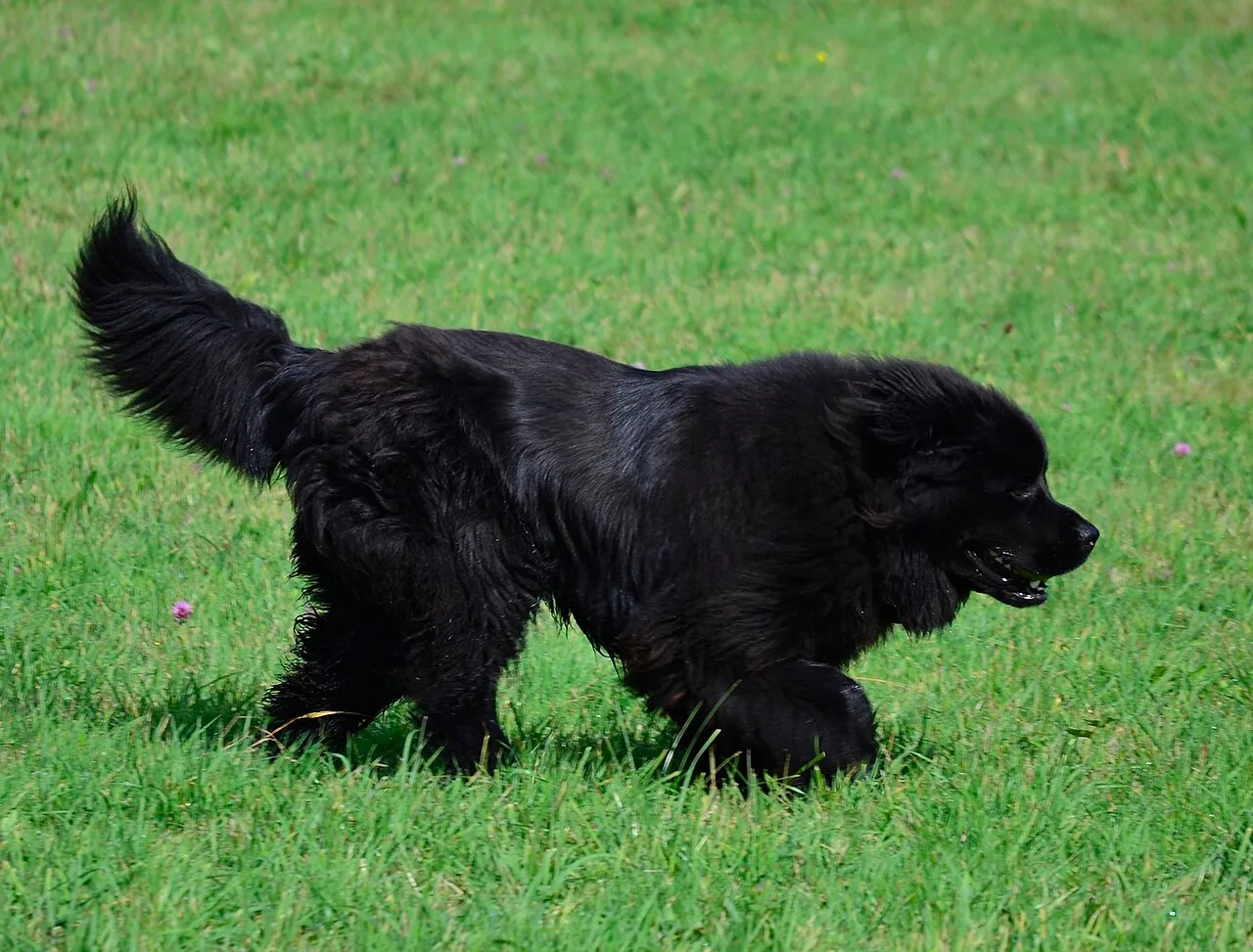
Giant 45.4–68 kg
A very large, water-working dog with a dense coat and substantial grooming needs. Strength, wet fur, drool and practical transport arrangements belong in the decision.
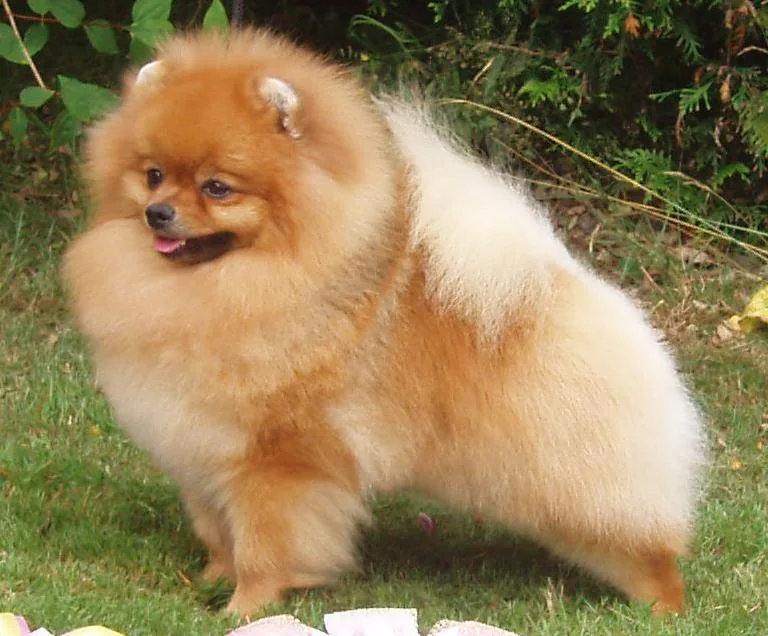
Small 1.4–3.2 kg
A small Spitz with an alert voice and a dense coat. Plan gentle handling, regular brushing and training that helps a lively dog feel secure in everyday situations.
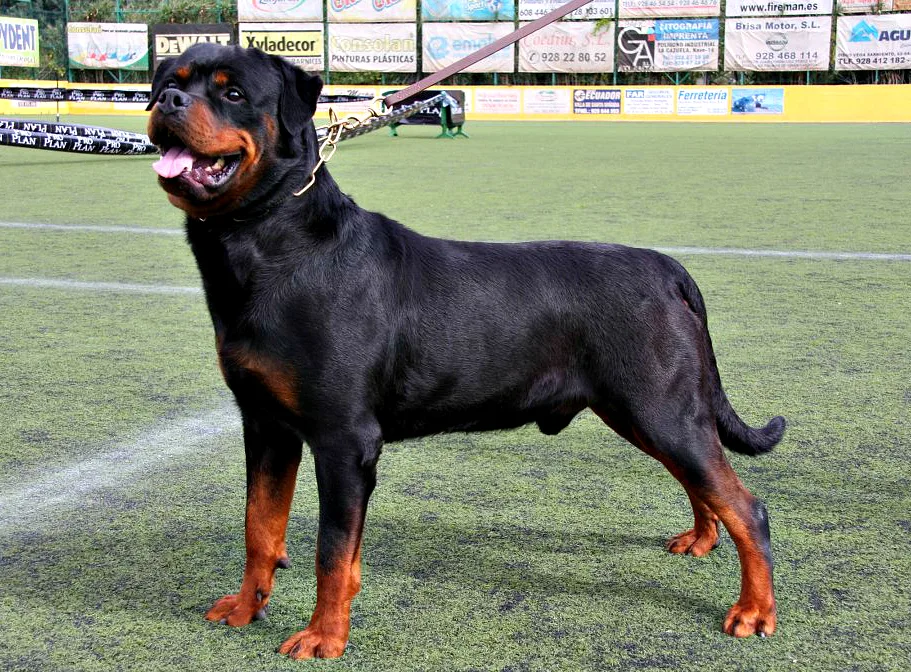
Large 36.3–61.2 kg
A strong working dog whose calm outward manner can hide substantial training needs. Handling ability, social judgement and documented health evidence deserve priority.
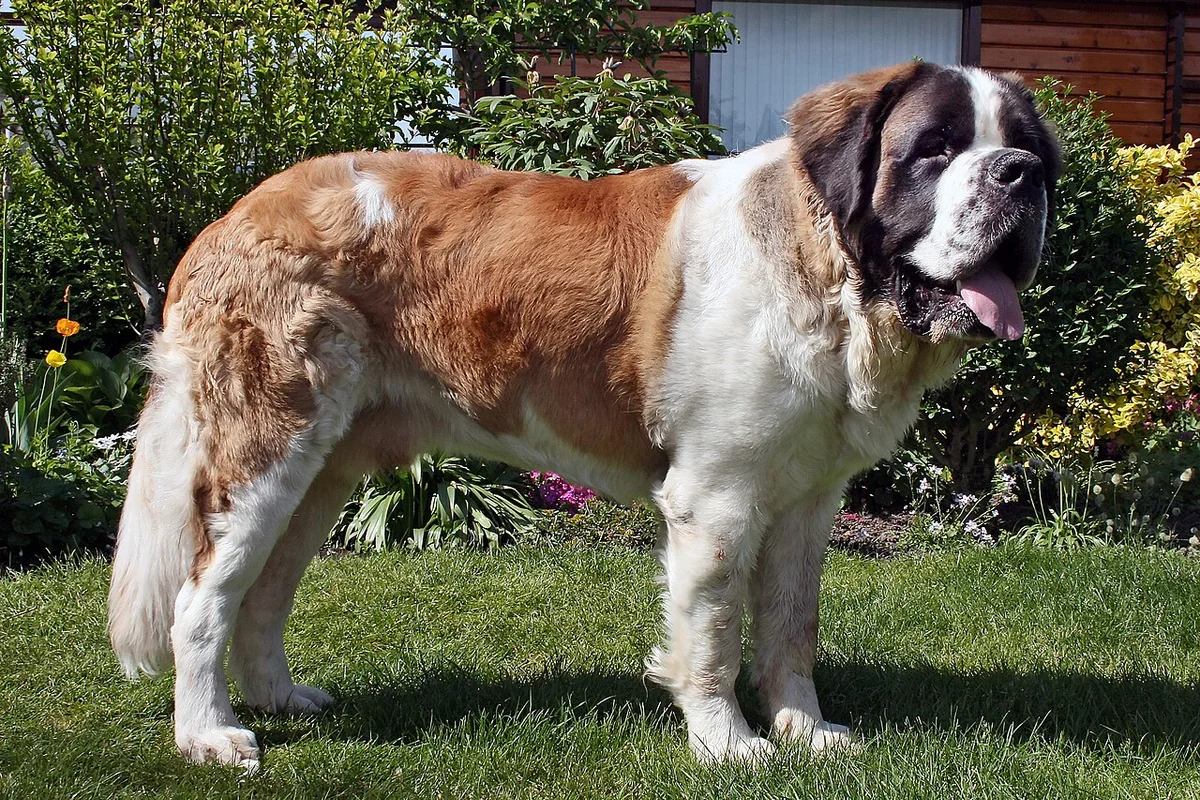
Giant 54.4–81.6 kg
A giant Alpine breed whose size and coat make everyday logistics significant. Plan early manners, cool resting space and the cost of caring for a very heavy adult.
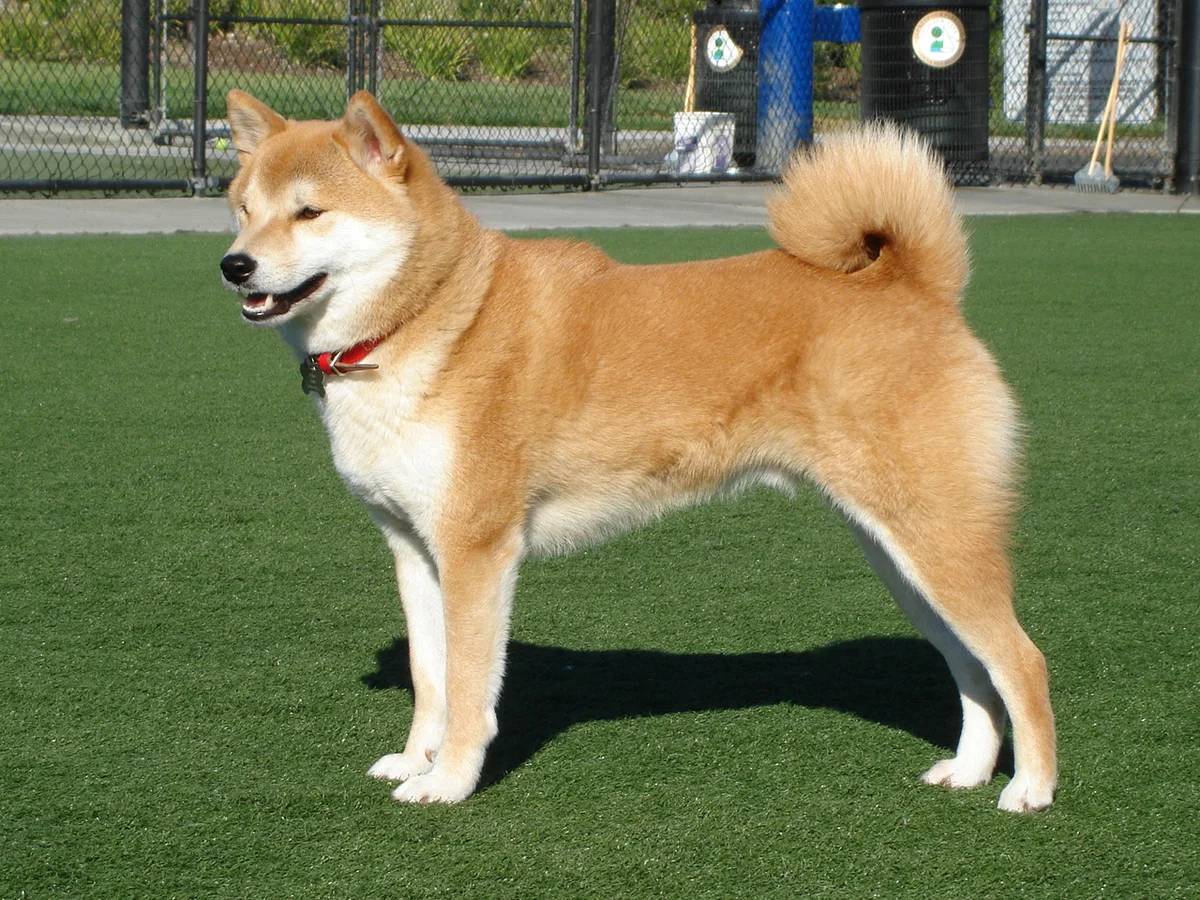
Small 7.7–10.4 kg
An independent Japanese Spitz that often values choice and personal space. Secure walks, patient handling and realistic expectations about obedience are more useful than a fox-like appearance.
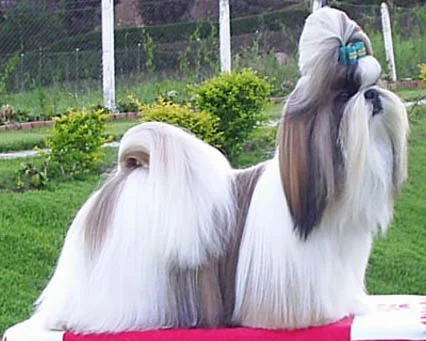
Small 4.1–7.3 kg
A companion dog with a coat that needs sustained attention, even in a practical trim. Gentle exercise and careful planning for hot weather are important.
Your cookie preferences have been saved.