
Living with this breed
A Chihuahua can fit into a small home without fitting every household. Its light frame makes rough handling a real consideration, while its alertness can make visitors and hallway noises a bigger event than expected. Choose for the individual dog’s confidence and temperament rather than treating small size as a low-maintenance personality.
Exercise and training
Offer daily walks at the dog’s pace, sniffing opportunities and short reward-based lessons. Carrying a Chihuahua everywhere removes chances to practise ordinary encounters. Build confidence at a manageable distance from unfamiliar dogs and people, and reward calm observation instead of waiting for barking before intervening.
Coat care
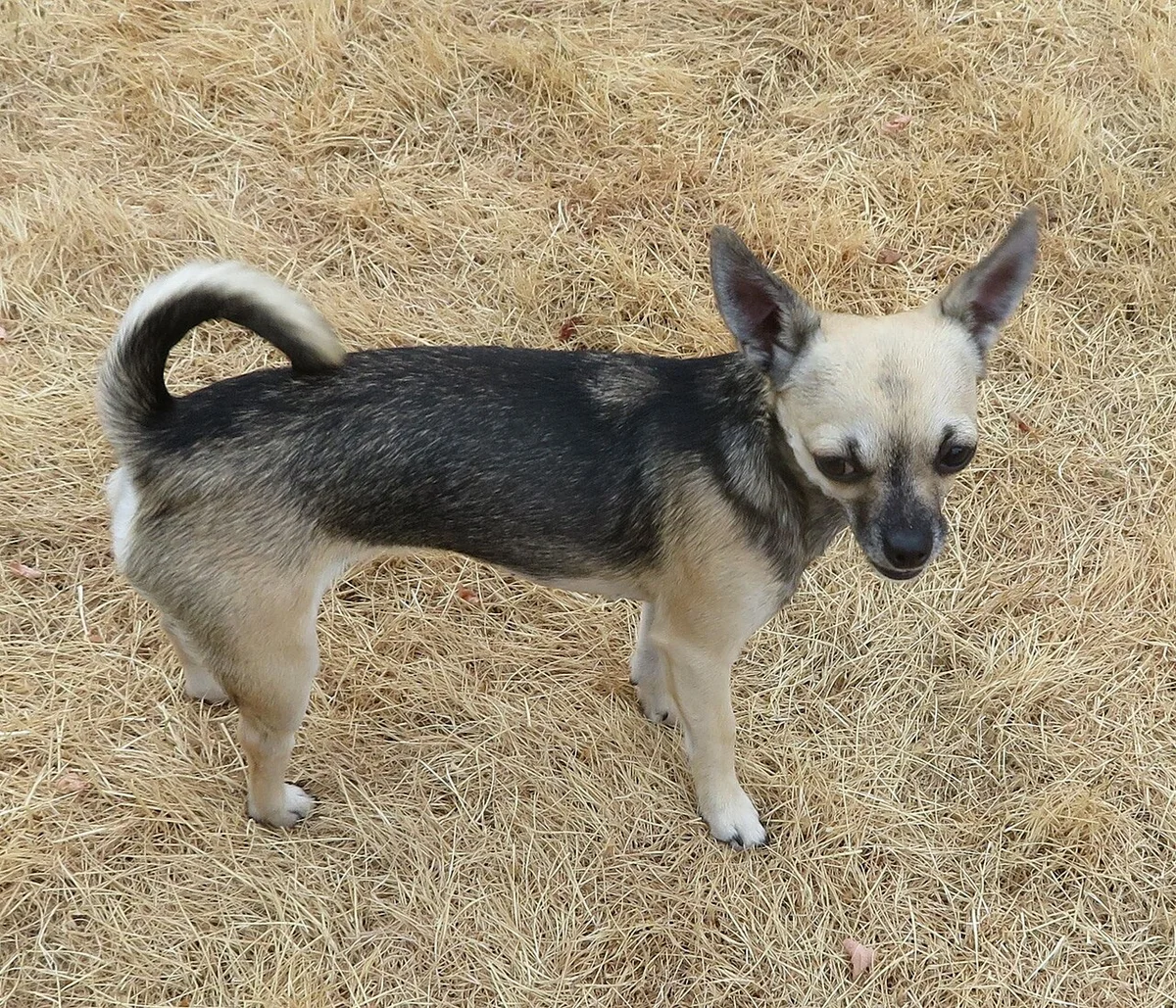
Both smooth and long-coated Chihuahuas occur. A smooth coat needs less brushing, while longer hair benefits from careful attention around the ears and legs. Neither coat removes the need to maintain nails and teeth. Introduce a brush and handling gradually, on a secure surface where a tiny dog cannot fall.
Household considerations
A home with very young children needs particularly careful thought about accidental injury and whether adults can supervise every interaction. Avoid putting a Chihuahua into face-to-face meetings with larger dogs. Provide a quiet retreat and help visitors understand how to invite contact without looming over or grabbing the dog.
Health and questions to ask
Ask about patella, heart and eye screening and discuss dental care with a veterinarian. Marketing labels such as “teacup” are not a separate recognized breed or a health assurance. The registry gives an upper weight limit rather than a typical range; ask about the individual dog’s expected adult size.
Sources and approach
Breedlas combines registry information with editorial interpretation. Trait levels describe general tendencies, not guarantees about an individual dog.
Read our editorial approach