
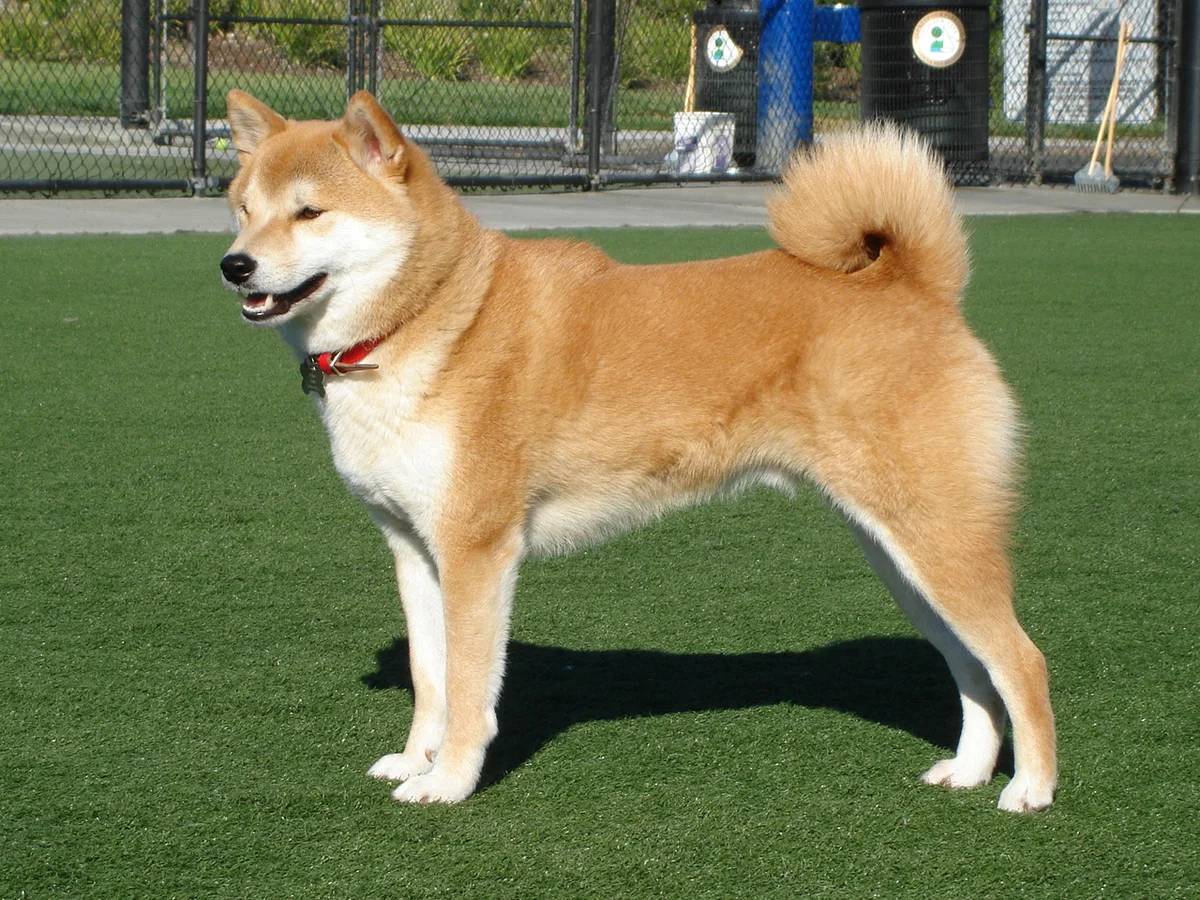
Living with this breed
A Shiba Inu may be affectionate with familiar people while remaining selective about contact or other dogs. Its compact size should not be confused with an easy-going temperament. Meet adults if possible and ask how they respond to visitors, handling and frustration rather than relying on photographs or internet personality stereotypes.
Exercise and training
Use exploratory walks and short reward-based lessons that offer a clear reason to participate. Practise coming when called in secure settings and use a leash when necessary. Forcing repeated interaction can make handling harder. Teach cooperative care gradually so checking feet or putting on equipment becomes a familiar sequence.
Coat care
The double coat sheds, particularly during seasonal changes. Brush through loose fur and maintain nails, teeth and comfortable skin. An otherwise tidy-looking dog can still need considerable brushing during a coat change. Introduce grooming when the dog is calm, and stop to reassess if discomfort or fear appears.
Household considerations
Introductions to other dogs and small animals should be planned and supervised. Give the dog room to withdraw and avoid assuming it wants greetings with every passer-by. Children need help reading and respecting signals. Secure fencing is useful, but a private garden does not replace walks and thoughtful training.
Health and questions to ask
Ask about hip, patella and eye assessments and discuss allergy and skin history with a veterinarian. A seller should explain screening results and relevant family conditions without promising an invulnerable breed. Observe the individual’s movement and comfort, and check whether its everyday handling needs match what your household can provide.
Sources and approach
Breedlas combines registry information with editorial interpretation. Trait levels describe general tendencies, not guarantees about an individual dog.
Read our editorial approach