

Living with this breed
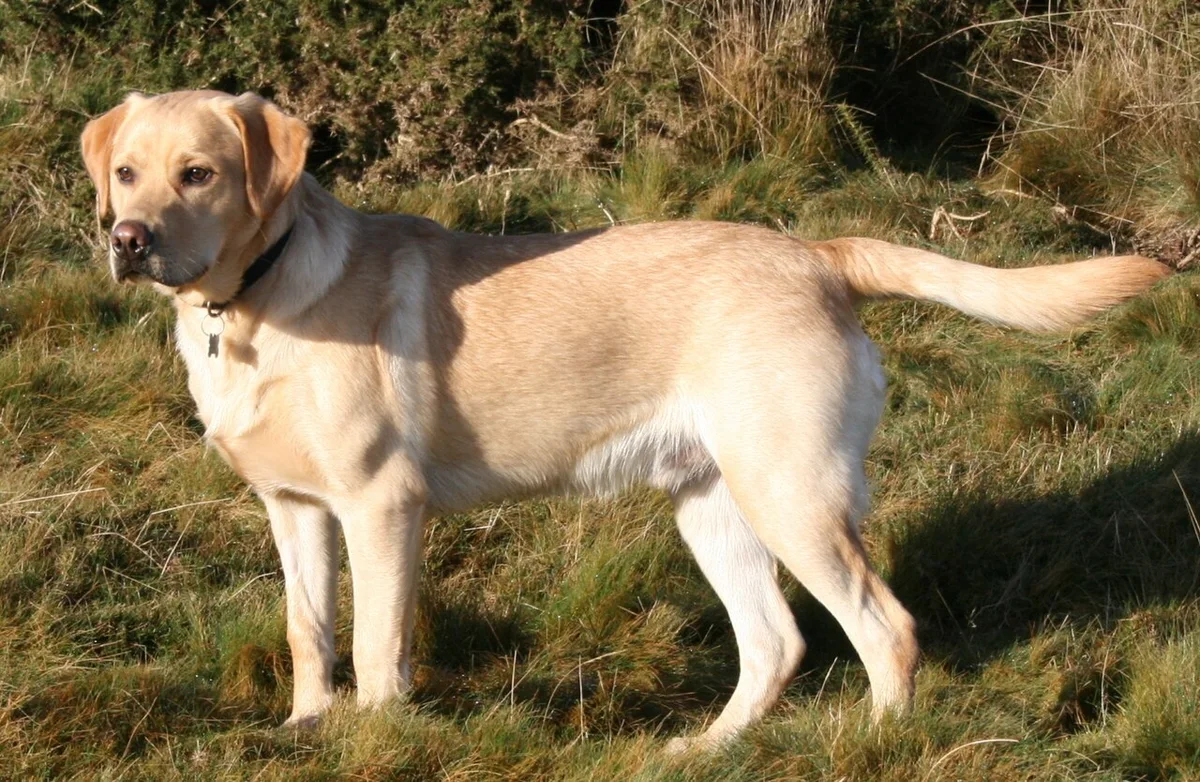
The Labrador’s practical appeal is its willingness to join in. That can mean muddy walks, carrying toys and a young dog that greets people at full speed. A mature Labrador may become a relaxed housemate, but size, strength and enthusiasm deserve preparation before the puppy arrives.
Exercise and training
Retrieving, swimming where safe, scent games and regular walks give a Labrador useful outlets. Start lead manners and recall early, and include quiet time in the training plan. Food rewards are often convenient, but count them within the day’s allowance instead of adding them to an already generous diet.
Coat care
The short, dense double coat sheds noticeably. Regular brushing removes loose hair, particularly during coat changes, and a wet dog needs thorough drying. Check ears after water activity. The coat is straightforward to maintain compared with a clipped breed, but towels and a washable resting area are worthwhile household equipment.
Household considerations
Labradors can be social with people and dogs, yet a strong adolescent can knock over a child without intending harm. Supervise interactions and reward four paws on the floor. Ask how the individual handles visitors, frustration and time apart; a friendly breed reputation does not answer those questions.
Health and questions to ask
Request hip, elbow and eye results and discuss exercise-induced collapse testing and relevant family history. Ask a veterinarian about keeping a lean body condition and age-appropriate activity. Working and show lines can differ in build and drive, so meet adult relatives rather than choosing on colour alone.
Sources and approach
Breedlas combines registry information with editorial interpretation. Trait levels describe general tendencies, not guarantees about an individual dog.
Read our editorial approach