
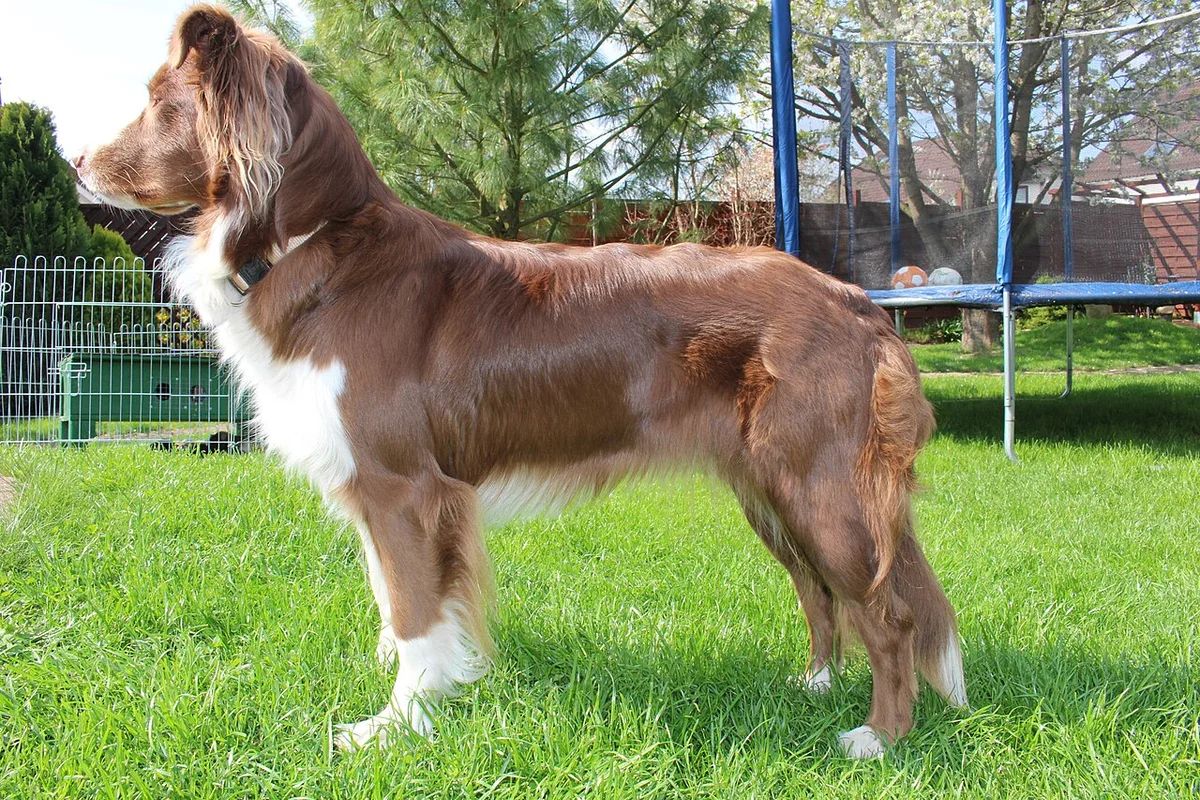
Living with this breed
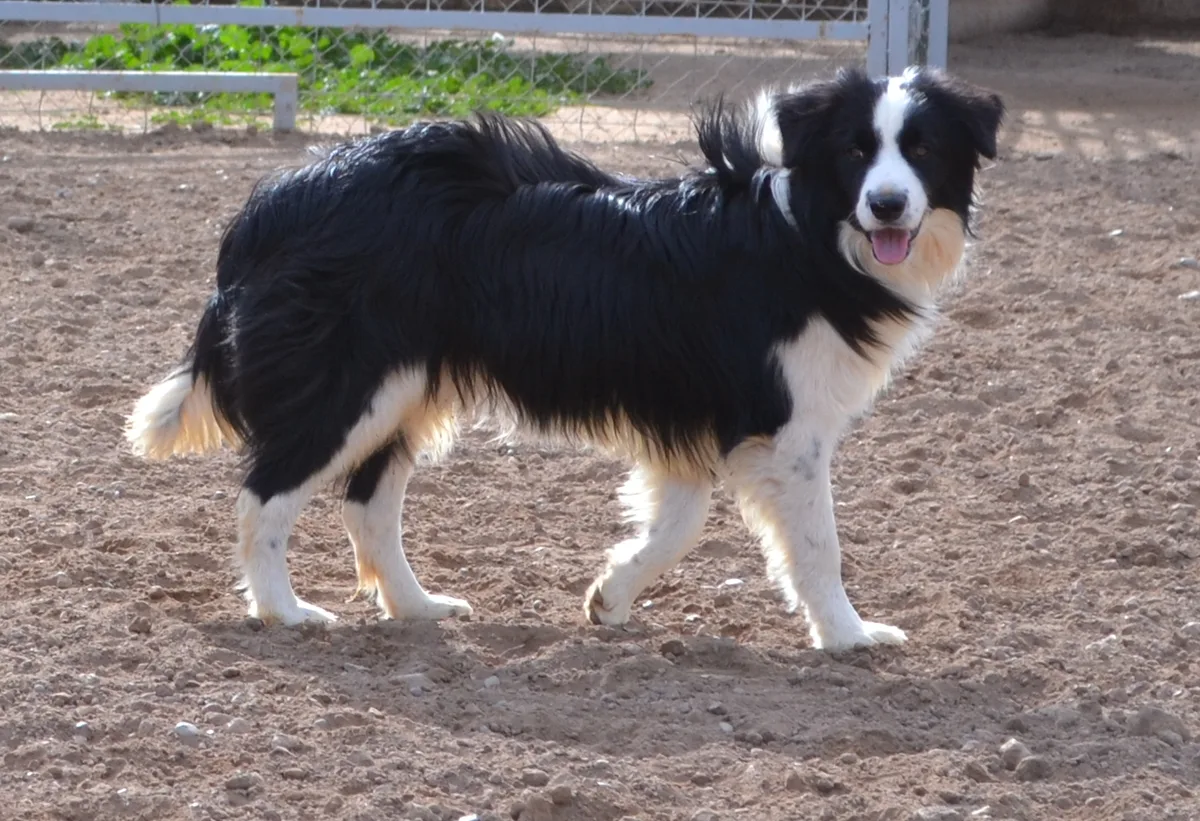
The Australian Shepherd’s name does not describe its modern country of development: this is a United States ranch dog. Many individuals notice movement and want something useful to do. Choose one because you enjoy working with a dog, not because the coat colours or medium size seem convenient.
Exercise and training
Provide varied exercise and mental work, such as scent searches, well-taught skills or an appropriate sport. Teach coming when called, calm observation and relaxation. More activity is not always the answer to a dog that struggles to rest; predictable routines and manageable levels of stimulation also need to be learned.
Coat care
The weather-resistant double coat sheds and requires regular brushing. Check behind the ears, around the legs and under equipment for tangles, and examine feet after outings. Introduce grooming and nail care in quiet moments. Coat colour does not tell an owner how much maintenance an individual dog will need.
Household considerations
A herding dog may try to control running children or other animals. Supervise interactions and provide alternative activities before chasing or nipping becomes routine. Ask about the adult relatives’ sensitivity and behaviour around strangers. A large garden will not compensate for a household that has little interest in daily training.
Health and questions to ask
Ask about hip, elbow and eye assessments and relevant inherited disease testing. Discuss drug sensitivity and whether testing is appropriate with a veterinarian. Breeding records should also show informed handling of merle genetics; appearance is not a reason to ignore preventable health concerns or the quality of the breeding programme.
Sources and approach
Breedlas combines registry information with editorial interpretation. Trait levels describe general tendencies, not guarantees about an individual dog.
Read our editorial approach