

Living with this breed
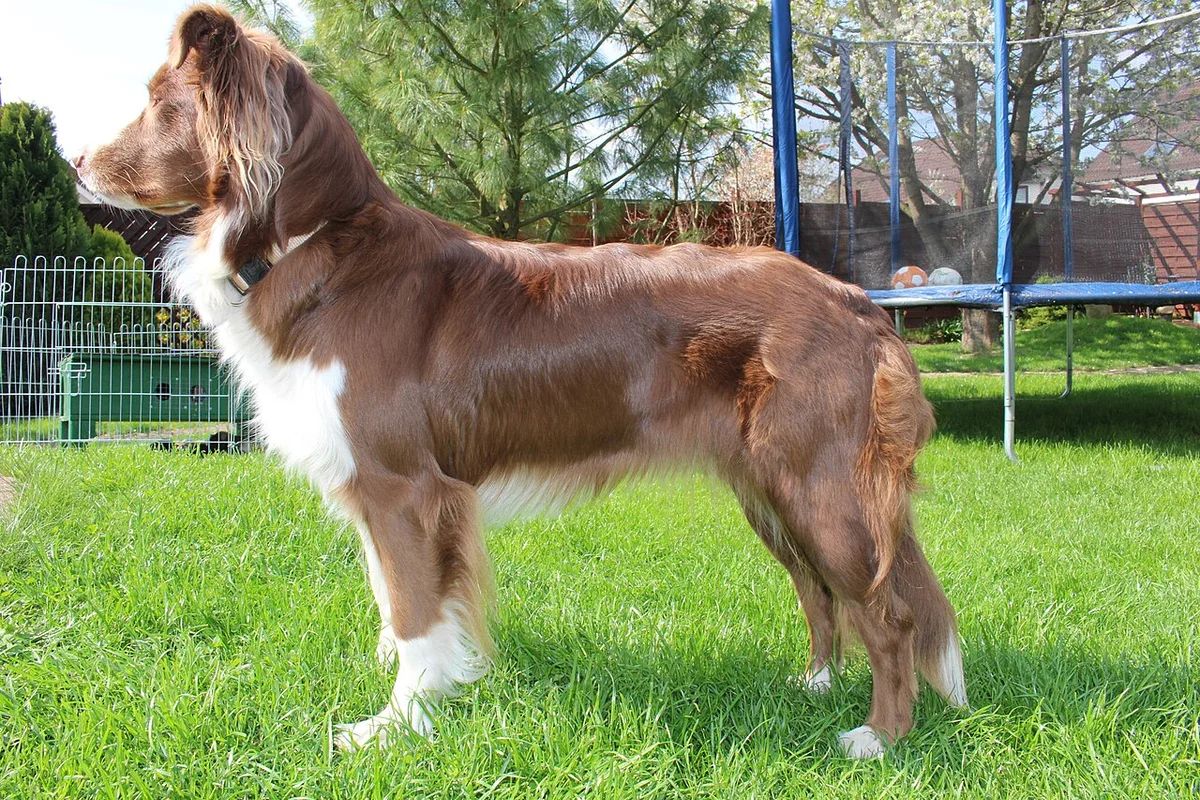
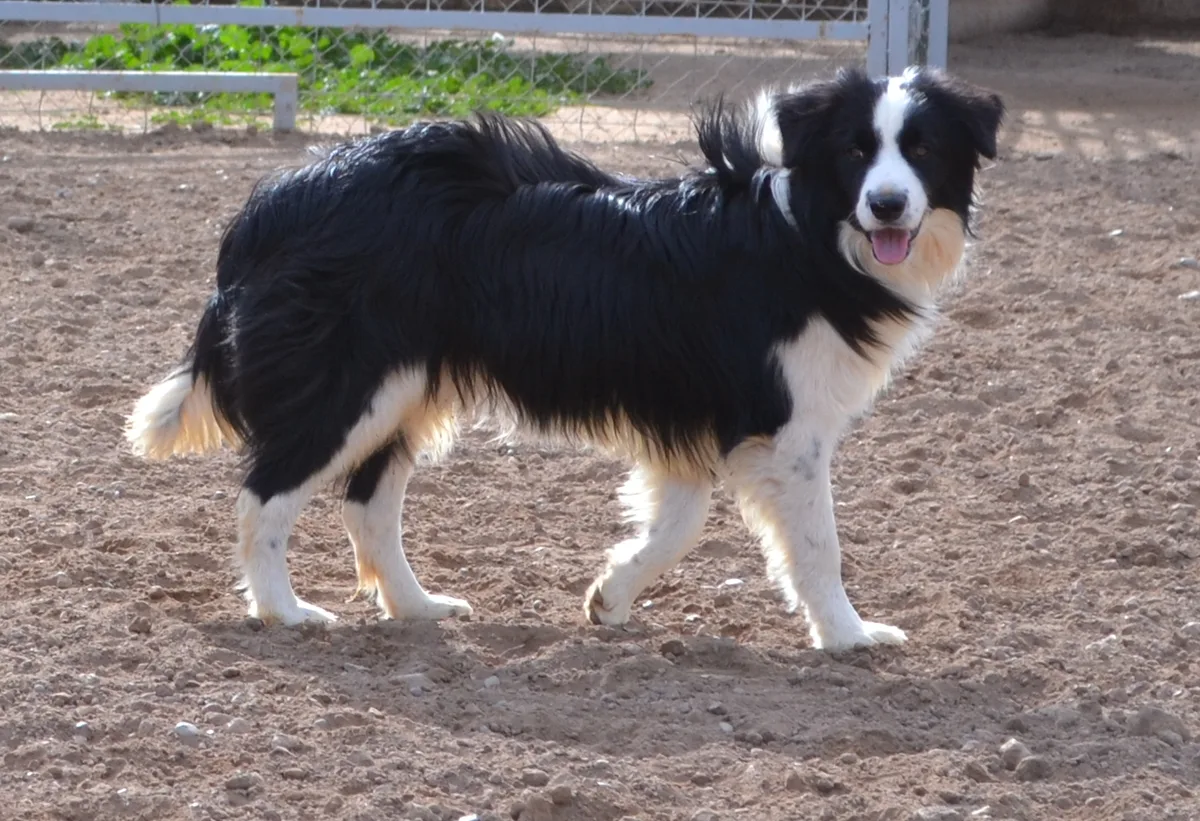
An English Cocker Spaniel often investigates the world enthusiastically, particularly where there are scents and cover to explore. The compact size should not obscure a gundog’s activity needs. Ask about the parents’ work, behaviour and everyday routine; working and show backgrounds may suit different expectations.
Exercise and training
Combine regular walks with searching games, retrieving and reward-based lessons. Teach coming when called and checking in before granting freedom in places with wildlife. A lively spaniel also needs to practise calm rest. The aim is a balanced routine, not a constant series of increasingly exciting games.
Coat care
Comb the feathering on the ears, legs and underside and check for tangles after outdoor activity. Appropriate trimming can help keep a practical coat manageable. Hanging ears deserve regular attention, especially after wet outings. Discuss persistent odour, redness or discomfort with a veterinarian instead of treating it as an unavoidable spaniel feature.
Household considerations
Supervise children and other animals and set up quiet resting space. A social, food-interested dog still needs boundaries around meals, visitors and play. Before adoption, ask how the individual behaves around birds and small pets and whether it already understands household routines; breed tendencies do not replace that information.
Health and questions to ask
Ask about eye and hip screening and relevant DNA testing, including familial nephropathy and adult-onset neuropathy where applicable. Discuss family health and behavioural history as well as formal results. Confirm that the records describe an English Cocker, because the American Cocker is a separate breed with different proportions.
Sources and approach
Breedlas combines registry information with editorial interpretation. Trait levels describe general tendencies, not guarantees about an individual dog.
Read our editorial approach