
The daily commitment
- Exercise
- Allow substantial daily activity and mental engagement, adapted to the dog.
- Experience needed
- Teach calm behaviour deliberately, alongside the exciting skills.
- Grooming
- Smooth and rough coats both need care; check longer hair for tangles.
- Other dogs
- Watch how the individual responds to movement and other animals.
A practical reading of our breed traits. Tendencies vary; these are not compatibility scores.
Living with a Border Collie
A dog selected to notice and influence moving livestock may notice far more at home than an owner expects. That attention can be useful in a lesson and difficult beside a busy road or a running child. Ask what the individual actually does in those situations rather than accepting “very intelligent” as a complete description.
Picture a normal workday, not just an adventurous weekend. Who provides activity, interaction, toilet breaks and quiet supervision? A garden can be useful, but it does not organise the dog’s day. Choose a manageable routine and a dog whose known needs fit it, rather than hoping a collection of toys will fill every gap.
Exercise that includes switching off
PDSA’s breed guidance calls for at least two hours of exercise each day, alongside mental activity. Plan for that level of commitment, while adapting the amount and intensity to the individual dog rather than treating the number as a universal prescription.
Daily physical activity matters, but so does its shape. A varied walk, a short scent-search game and a teaching session ask different things of the dog. Include quiet periods and practise resting away from the action. These are examples to help plan care, not a timetable that every Border Collie must follow.
A dog that can keep chasing a ball has not necessarily learned to settle. Avoid making each day a competition to exhaust it. Adapt activity to age, fitness, weather and veterinary advice, and seek qualified help if the dog is persistently unable to relax or is distressed by everyday movement.
Training a quick learner
Make the behaviour you want clear and achievable. Reward checking in, coming away from a distraction and waiting calmly, not just spectacular tricks. Work at a distance where the dog can still respond, and increase difficulty gradually.
Consistency across the household matters: a game encouraged by one person may be troublesome to another. Agree how doors, toys, greetings and rest will work. If chasing, fixation or nipping is developing, stop rehearsals through sensible management and get appropriate professional advice rather than escalating punishment.
Smooth coats, rough coats and grooming
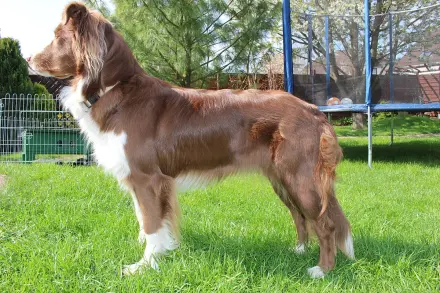
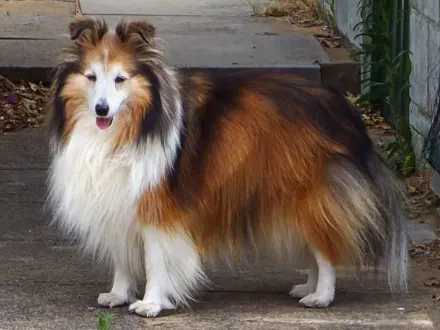
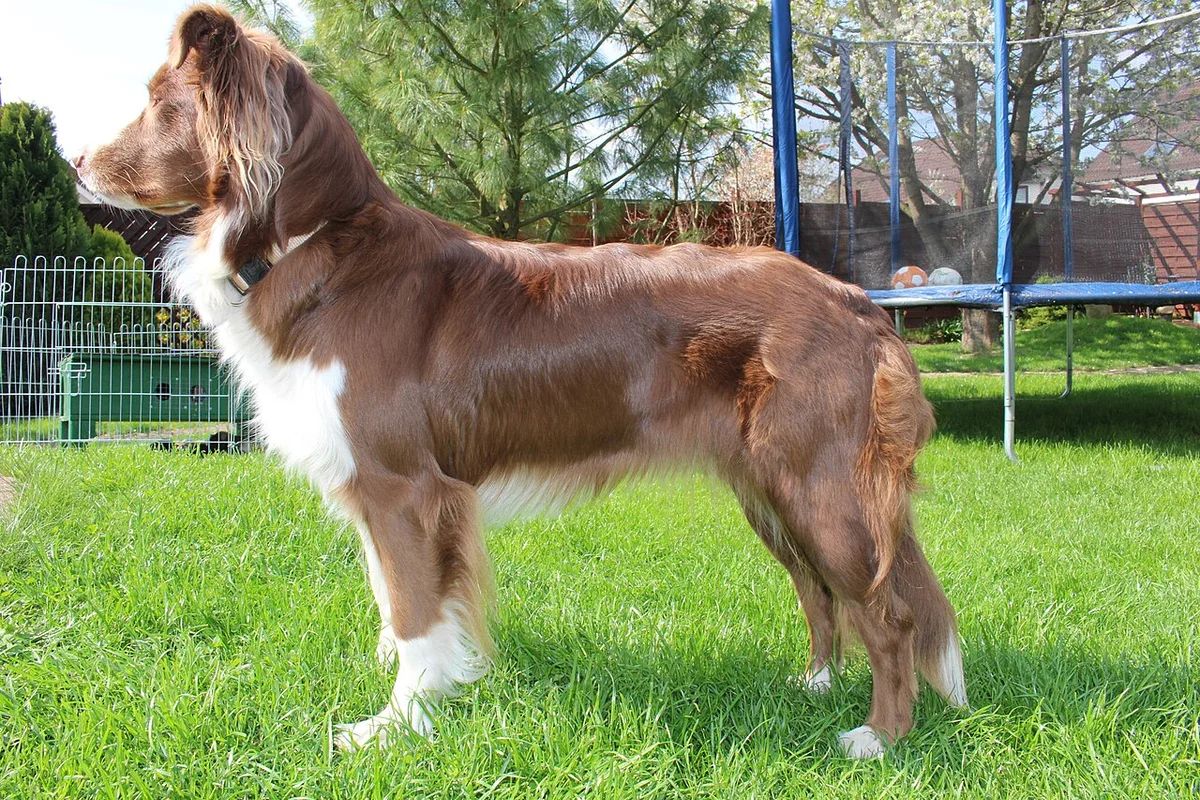
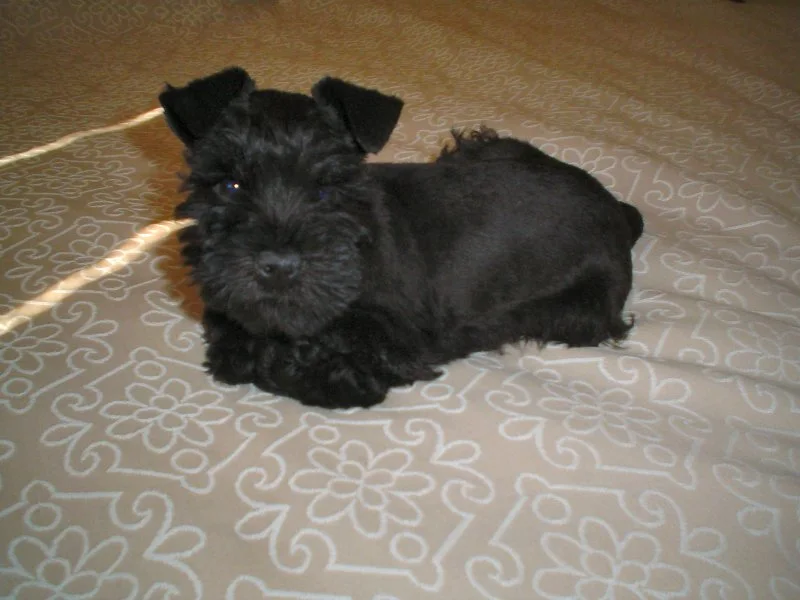
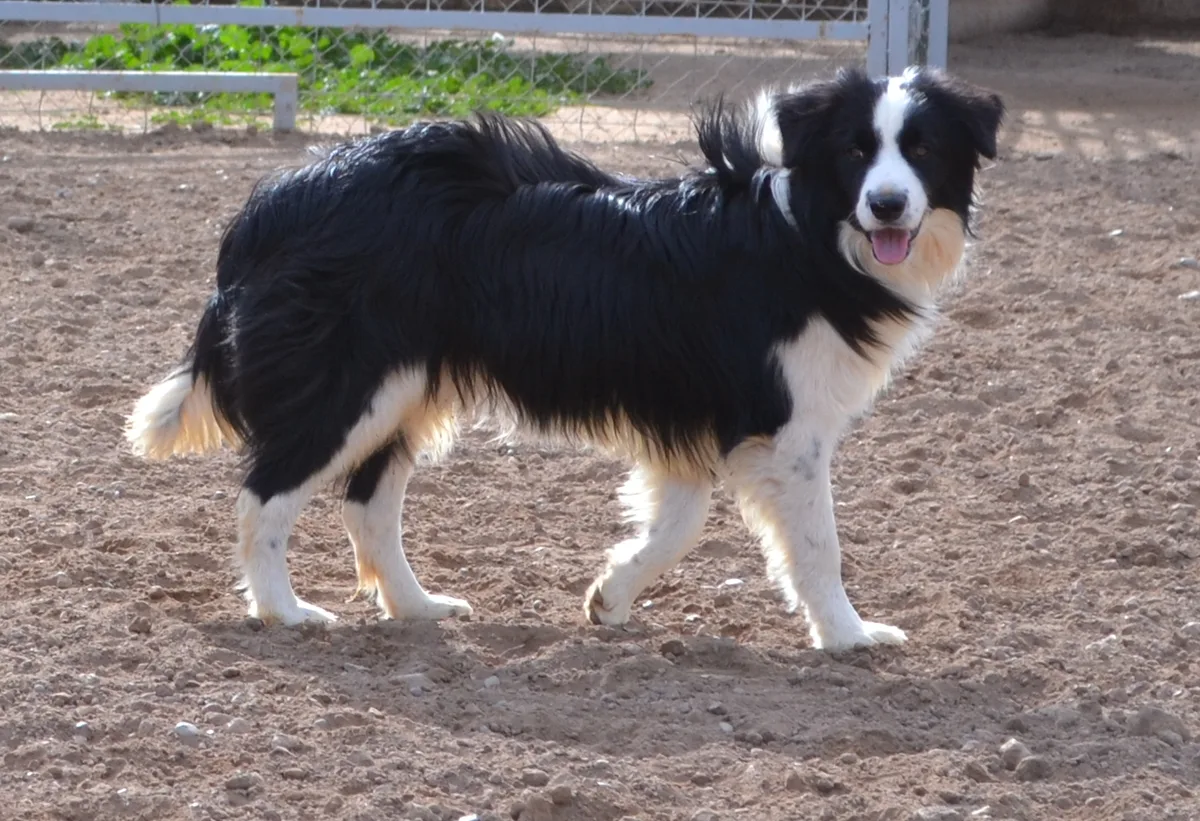
Border Collies are not all long-coated, black-and-white dogs. Smooth and rough coats both need routine care; longer hair can add work around the ears, legs and tail. Look through the coat after outdoor activity rather than only brushing the most visible surfaces.
Introduce gentle paw, ear and nail handling early. Ask a groomer which tools suit the individual coat, and ask your vet about persistent itching, soreness or unusual hair loss. A tidy-looking short coat does not remove the need for skin checks and ordinary care.
Children, other pets and busy surroundings
Herding tendencies do not turn a child, cat or bicycle into an appropriate training target. Give the dog space from fast activity, supervise contact and use gates or separate areas when needed. Adults should manage those arrangements; children should not be expected to correct or physically control the dog.
Ask a rescue or breeder for concrete observations: has this dog lived with cats, travelled through town or rested while people work? A behaviour seen in one environment may look different in another. Good introductions and ongoing management still matter even when a dog has previously lived with similar company.
A sheepdog background, not one uniform pet
The Border Collie developed through sheep work in the border country of Britain. Working selection helps explain the breed’s responsiveness to movement, athleticism and desire for purposeful activity. The American Border Collie Association emphasises working ability; appearance-led registries provide another perspective on the breed.
Ask about the actual parents, relatives and purpose of a breeding program. Working, sport and show labels can guide questions, but none promises a particular energy level or an easy household companion. Coat colour and striking markings should come after health, temperament and a realistic account of daily care.
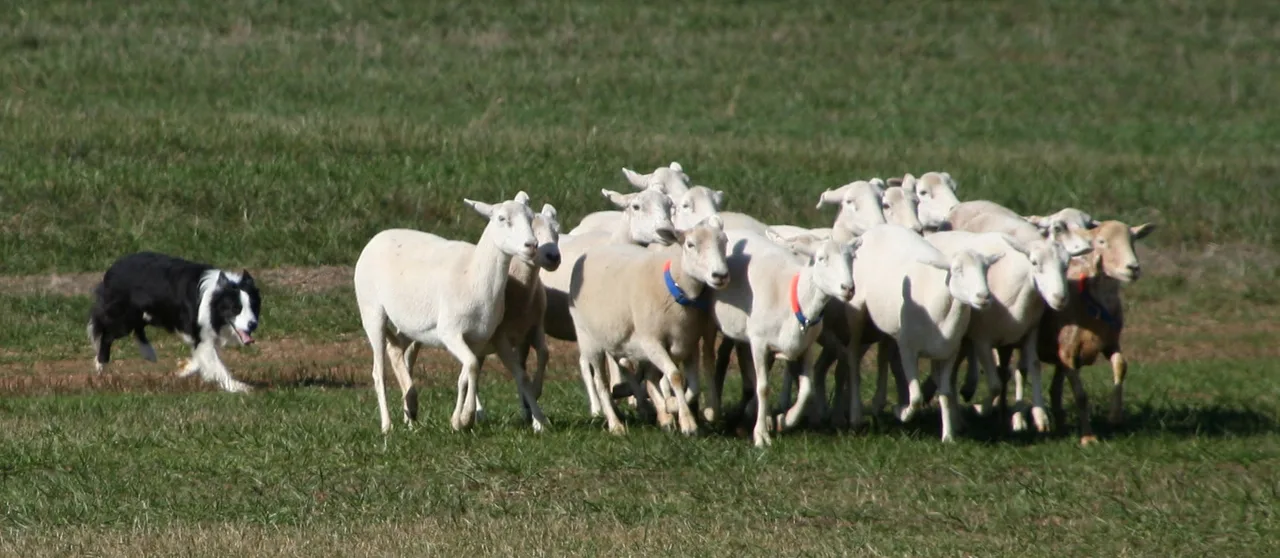
A sheepdog trial shows the work behind the breed. A pet dog still needs appropriate outlets and should not practise chasing people or pets. Image credits
Health screening and its limits
Ask about hip evaluation, eye examinations and breed-relevant DNA testing, with identifiable records and an explanation of the results. The Border Collie Society of America’s health resources distinguish physical examinations from DNA testing; they are not interchangeable ways of certifying overall health.
Collie eye anomaly (CEA), trapped neutrophil syndrome (TNS) and neuronal ceroid lipofuscinosis are examples discussed in breed screening resources. Which tests and schemes are relevant depends on the breeding population and country. Use the current club guidance with your vet rather than treating the longest commercial test panel as the best evidence.
Questions that a DNA panel cannot answer
Discuss the medical history of close relatives as well as the test results, including any seizures or unexplained episodes of collapse. A result for one genetic variant does not rule out unrelated illness. “Clear” needs the name of the tested condition and the laboratory report, not just a reassuring advertisement.
With an adult dog, ask what is known from veterinary and behavioural records and what remains uncertain. Plan a first veterinary appointment and tell the vet about any ongoing medication or test results. The health section is a research starting point, not an assessment of the individual dog.
A workable plan before arrival
Set up a quiet sleeping area, safe boundaries and an agreed daily routine. Decide who will provide training and care when the main owner is busy or away. The plan needs to work during an ordinary week of rain, deadlines and family commitments.
Budget for food, routine veterinary care, insurance or an emergency reserve, training support and suitable care during travel. Ask prospective trainers about their methods and experience with the concerns you actually face. A dog-sport ambition is optional; meeting the dog’s day-to-day needs is not.
- Agree how to prevent rehearsal of chasing and door-rushing.
- Choose safe walking areas and a quiet place to practise basic skills.
- Arrange backup care with someone who understands this individual dog.
Common questions
Do you need sheep to own a Border Collie?
Not necessarily, but you do need a realistic plan for the individual’s physical and mental needs. Training, suitable games and other activities can be part of that plan. Do not use livestock, children or pets as practice targets without appropriate expertise and control.
Is a Border Collie easier to train because it is clever?
It may learn quickly, including habits you did not intend to teach. A responsive dog still needs clear rewards, suitable difficulty and consistency. Intelligence is not a substitute for time or good teaching.
Can a Border Collie be calm indoors?
Some can rest comfortably in a suitable household, but it should not be assumed. Investigate the individual dog’s background, provide an appropriate routine and teach rest alongside active skills. Persistent distress or fixation needs qualified help.
Border Collie · Breedlas
Questions to take with you
Use the questions to look beyond a clever-dog reputation. Ticks stay on this page and are not saved or transmitted.
Sources
View 8 references
Registry and club references support breed facts; care examples and comparisons are Breedlas editorial interpretation. Screening schemes are identified by country. No source can predict the health or behaviour of an individual dog.
Measurements and lifespan ranges are guides; individuals and registry standards vary.
- American Border Collie Association: breed information
- AKC: Border Collie history
- AKC: Border Collie
- PDSA: Border Collie care
- Border Collie Society of America: breed health overview
- Royal Kennel Club: Border Collie
- RSPCA: reward-based dog training
- Dogs Trust: choosing a rescue dog