
Living with this breed
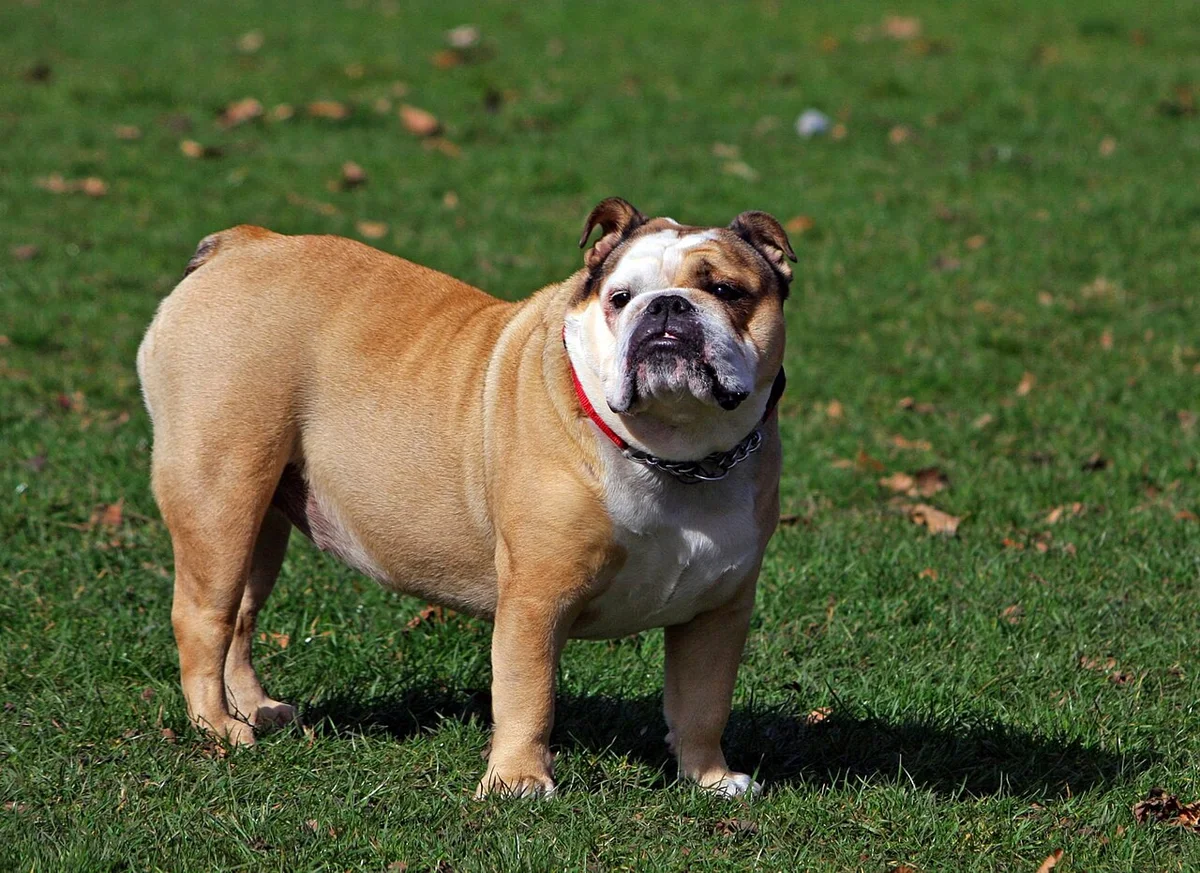
An English Bulldog brings a heavy, low-set body into an ordinary home, with practical consequences for stairs, lifting and transport. Look beyond a comic expression or a reputation for stubbornness. Comfortable movement, free breathing and an adult temperament suited to the household deserve priority over exaggerated wrinkles or proportions.
Exercise and training
Use short, enjoyable walks and reward-based practice in everyday skills. Watch the weather and the dog’s breathing rather than asking it to keep up with an athletic companion. Training can include a calm wait at doors, cooperative handling and getting into suitable transport without repeated jumping.
Coat care
The short coat is easy to brush, but skin folds and tail areas may need particular attention. Ask for advice tailored to the dog’s anatomy and skin condition. Keep damp areas clean and dry without over-treating them, and introduce tooth brushing and nail care as part of a settled daily routine.
Household considerations
The Bulldog’s strength is greater than its height suggests. Supervise play with children and other dogs, and provide space for undisturbed rest. Before adoption or purchase, consider whether anyone will need to carry the dog and whether the home has a cool place to recover during hot weather.
Health and questions to ask
Discuss respiratory function, skin, eyes and joint health with a veterinarian and request relevant screening records. Heat intolerance requires serious planning, not just shorter summer walks. Ask what ongoing care the individual already needs and budget for it; a relaxed personality does not reduce the importance of health evidence.
Sources and approach
Breedlas combines registry information with editorial interpretation. Trait levels describe general tendencies, not guarantees about an individual dog.
Read our editorial approach