
Living with this breed
A Shetland Sheepdog can be an attentive companion for someone who enjoys teaching skills. Its size makes transport easier than with a larger herding dog, but does not remove sensitivity to movement and sound. Ask how the individual handles visitors and busy environments instead of choosing only for a familiar Collie-like appearance.
Exercise and training
Regular walks, scent games and reward-based lessons give a Sheltie useful outlets. Practise calm observation of movement and a reliable response when called. Learning to rest should be part of the routine, particularly for an enthusiastic learner. Avoid repeated high excitement when the dog needs help feeling secure.
Coat care
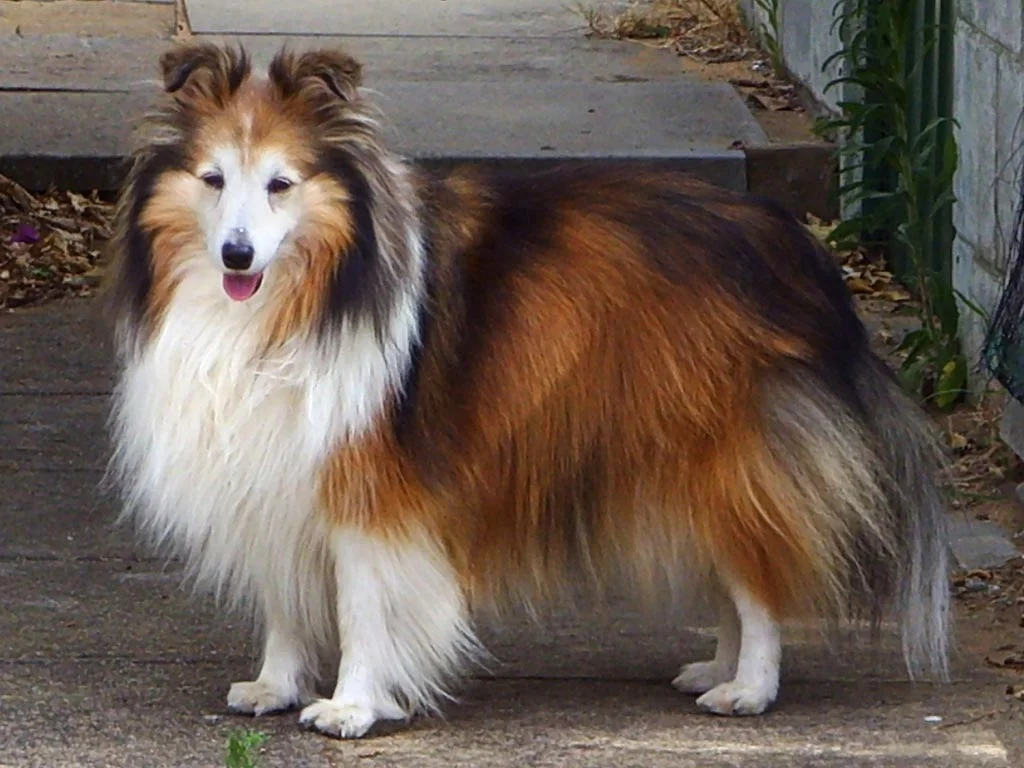
The long double coat needs brushing and combing, with attention behind the ears, around the legs and beneath the tail. Expect shedding and extra work during coat changes. Handling practice is as useful as the correct brush: a sensitive dog benefits from knowing what will happen during grooming.
Household considerations
Shelties may announce activity around the home. Consider shared walls and teach quieter responses to predictable triggers early. Supervise children and other animals, and provide an undisturbed resting area. A child running through the garden is not a suitable substitute for a planned activity with a herding dog.
Health and questions to ask
Ask about hips, eyes, thyroid conditions and the current parent-club screening recommendations. Discuss inherited disorders and medicine sensitivity with a veterinarian where relevant. Request dated results and family history rather than assuming a small, active dog is free from health concerns because it moves enthusiastically.
Sources and approach
Breedlas combines registry information with editorial interpretation. Trait levels describe general tendencies, not guarantees about an individual dog.
Read our editorial approach