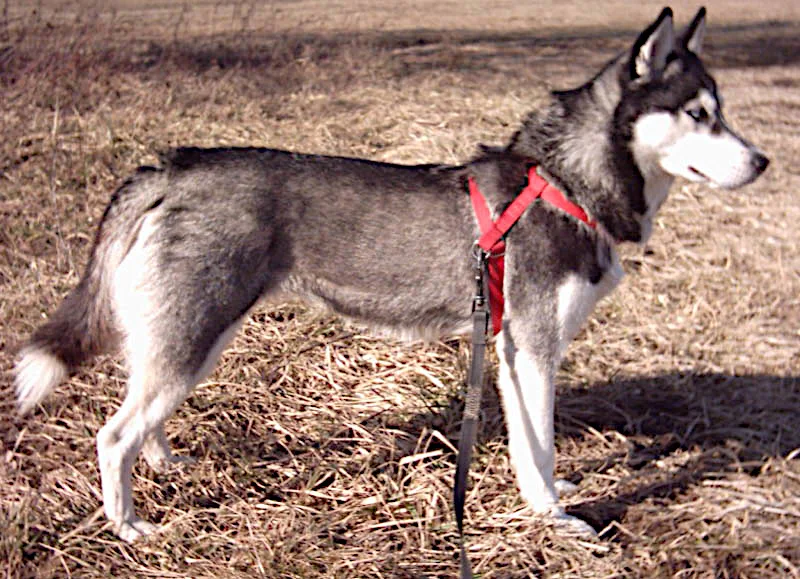
Living with this breed
A Siberian Husky was developed to travel, so a household should prepare for an energetic dog with its own priorities. Its sociability does not imply effortless recall or a desire to follow every instruction. Look honestly at fencing, nearby wildlife, neighbours and daily exercise arrangements before making a choice.
Exercise and training
Provide regular activity suited to age, weather and health, with secure places to explore and carefully taught skills. Use a leash where coming when called cannot be relied on. Reward-based training works best when the task and reward make sense to the dog; repetition without purpose can lose its interest.
Coat care
The dense double coat sheds, with heavy seasonal coat changes. Brush thoroughly and allow time to remove loose undercoat without irritating the skin. Examine feet and nails after activity. Do not assume a northern coat makes the dog comfortable exercising in heat; choose conditions and activity with care.
Household considerations
Huskies may vocalize and need deliberate teaching of calm behaviour when left briefly. Supervise introductions to smaller animals, because being social with dogs does not establish safety around cats or wildlife. A secure garden should be checked for digging and escape opportunities rather than treated as a self-contained exercise solution.
Health and questions to ask
Request hip and eye screening records and discuss inherited conditions and the individual’s history with a veterinarian. If considering sled work or running together, obtain age-appropriate advice before building distance. A visually athletic dog still needs a gradual training programme, rest and attention to changes in movement or stamina.
Sources and approach
Breedlas combines registry information with editorial interpretation. Trait levels describe general tendencies, not guarantees about an individual dog.
Read our editorial approach