
Living with this breed
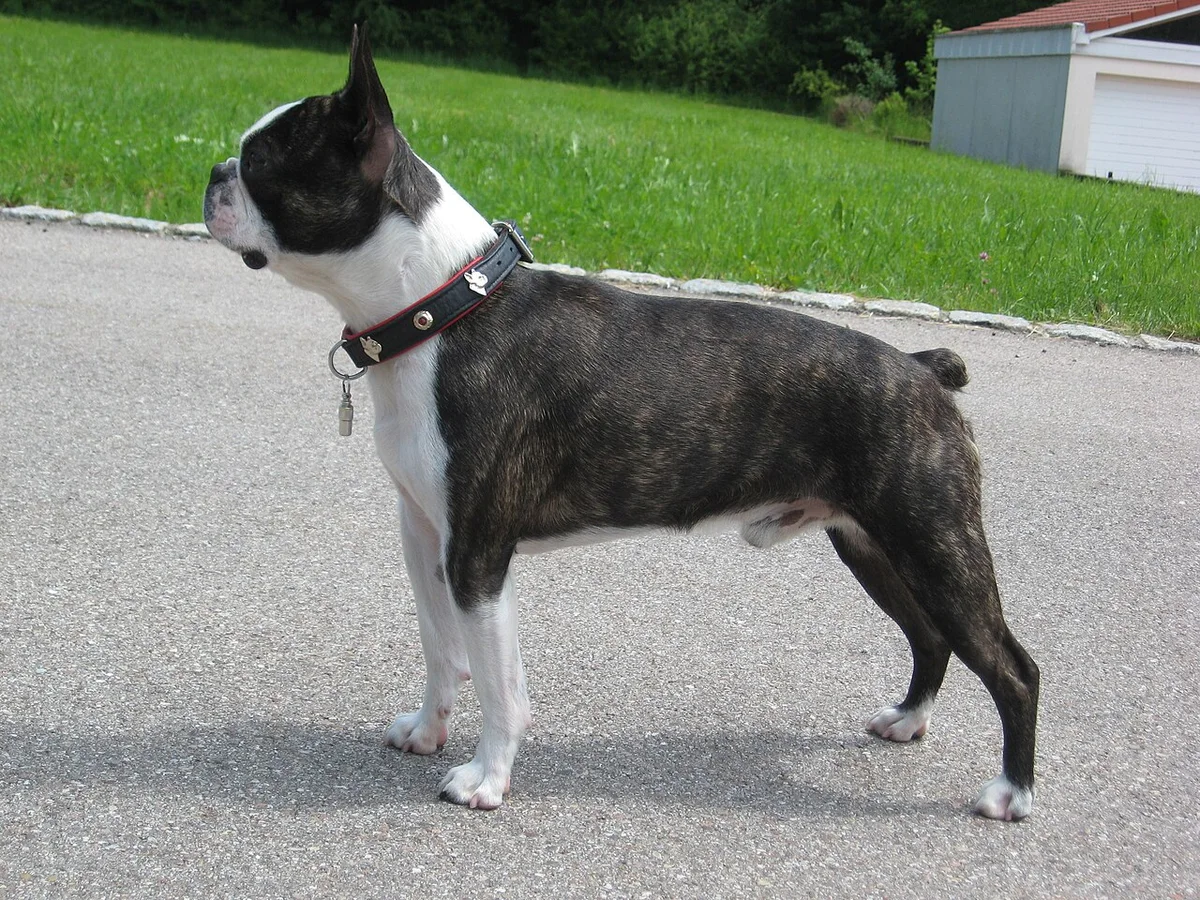
A Boston Terrier can be playful and interested in people while fitting a modest living space. That makes it appealing to many households, but compact size does not remove the need for activity and training. Choose a dog that moves and breathes comfortably rather than judging suitability by markings alone.
Exercise and training
Use regular manageable walks, play and short reward-based lessons. Teach coming when called and calm greetings, and adjust effort to the dog’s breathing, fitness and weather. Avoid treating noisy breathing as an endearing breed trait. A veterinarian can help distinguish ordinary exertion from signs that activity needs to stop.
Coat care
The short coat is relatively easy to brush, with nails, teeth and skin checks completing the routine. The prominent eyes need particular care during rough play and outdoor exploration. Seek advice about redness, squinting or discomfort instead of assuming that an eye problem will resolve because the dog remains cheerful.
Household considerations
Supervise children and other pets, especially during exuberant play. Give the dog quiet space and teach visitors to wait for a calm greeting. A small home can work when the daily routine includes walks, company and independent rest; floor area alone cannot describe the quality of life available.
Health and questions to ask
Ask about eye, patella and hearing assessments and discuss respiratory function with a veterinarian. Request the actual screening results and any relevant family history. Plan for hot weather before it arrives. Short fur may simplify brushing, but it is not evidence that this breed has uncomplicated health or minimal care costs.
Sources and approach
Breedlas combines registry information with editorial interpretation. Trait levels describe general tendencies, not guarantees about an individual dog.
Read our editorial approach