
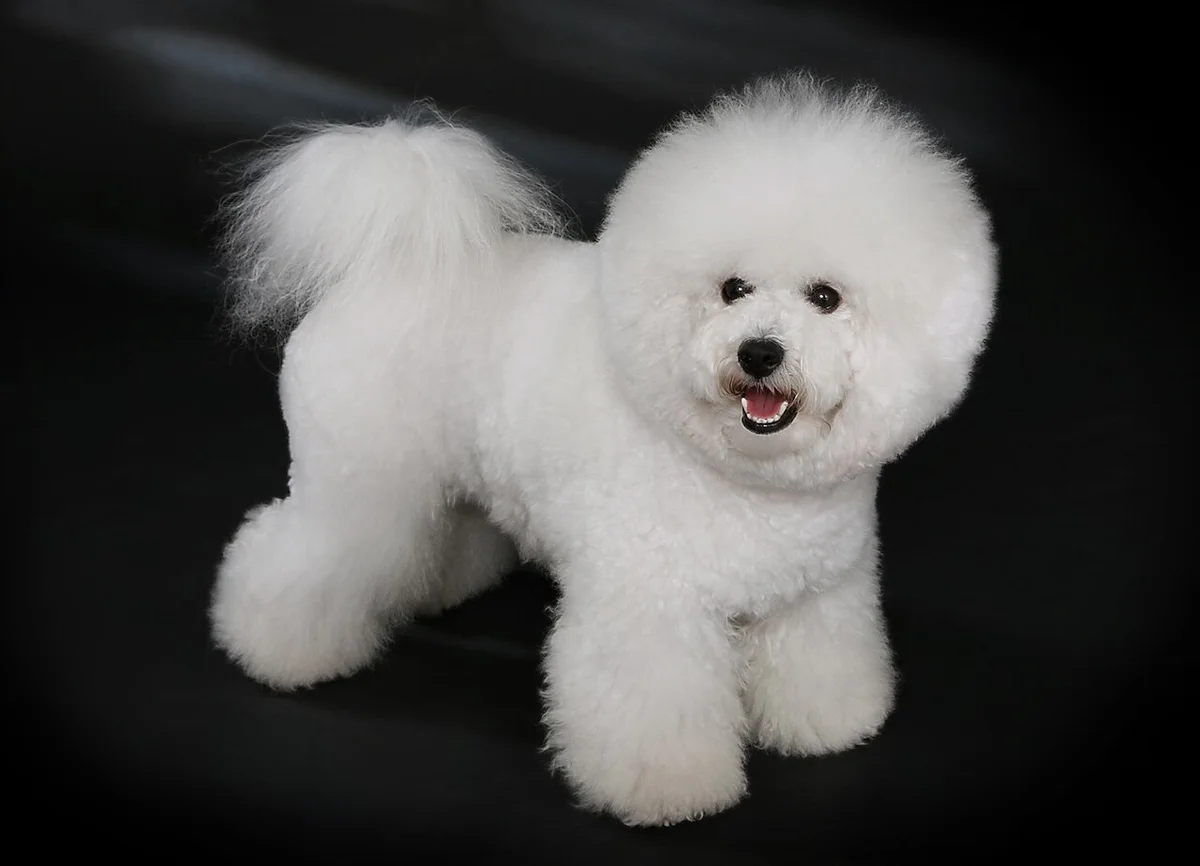
Small 5.4–8.2 kg
A sociable companion with a curly coat that trades loose hair for substantial grooming. Expect an involved dog, regular maintenance and patient teaching of household routines.
Small dogs can be vocal, energetic and determined. Consider safe handling, interactions with larger dogs and the practicalities of house training.
Our size groups are broad browsing aids, based on adult breed ranges rather than exact predictions. Check the profile's sourced measurements and any size varieties.
These are starting points for research. Individual dogs, their history and your care arrangements matter.
Small 5.4–8.2 kg
A sociable companion with a curly coat that trades loose hair for substantial grooming. Expect an involved dog, regular maintenance and patient teaching of household routines.
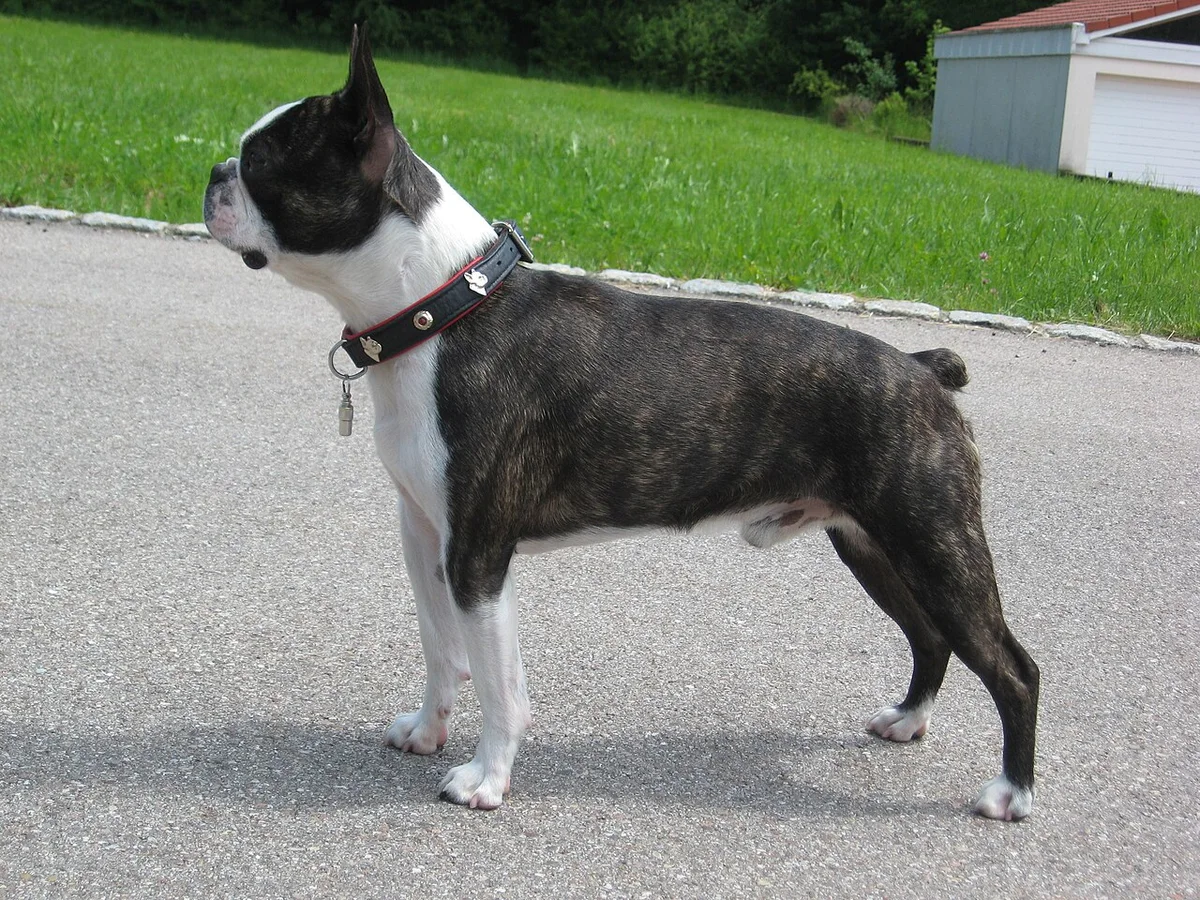
Small 5.4–11.3 kg
A compact, lively companion with a short coat and a flat face. Eye protection, breathing comfort and sensible activity in warm conditions deserve daily attention.
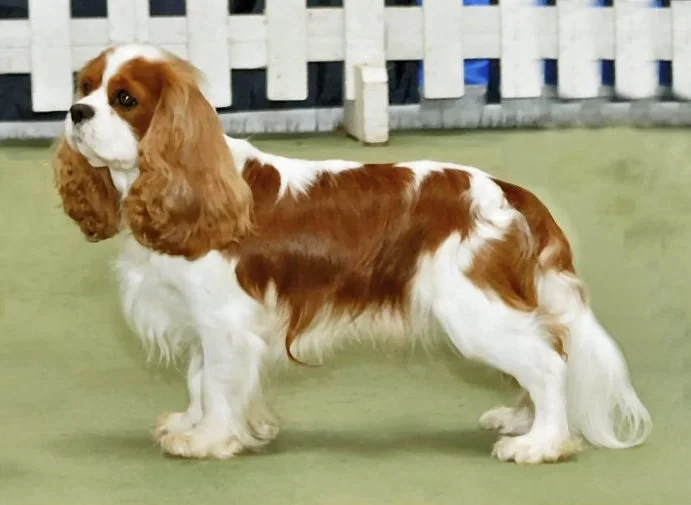
Small 5.9–8.2 kg
A gentle companion spaniel with an outdoor interest as well as a liking for company. Significant inherited health concerns deserve attention before personality or colour.
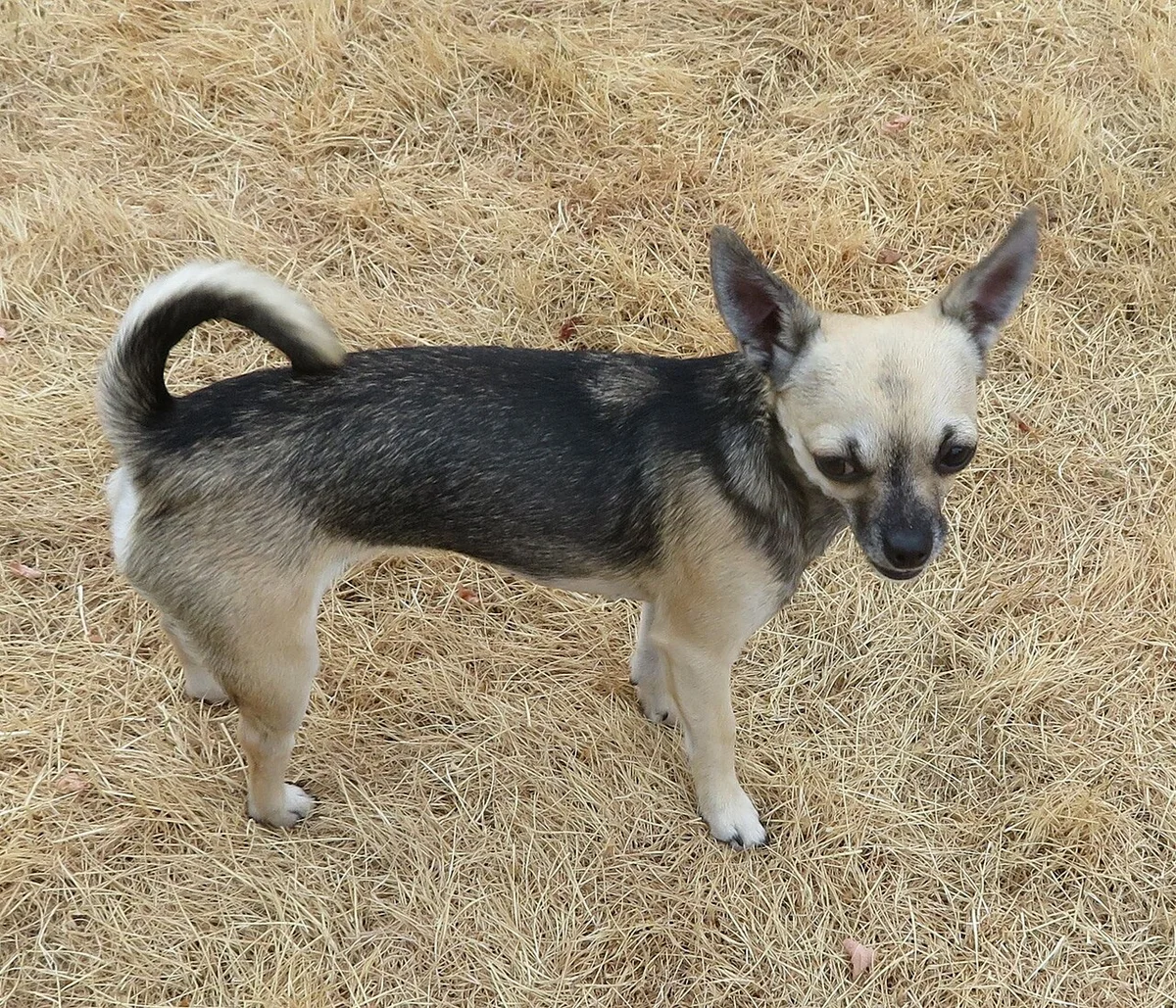
Small
A very small, alert companion with a definite voice. Gentle handling, confidence-building and ordinary dog training matter as much as a compact size.
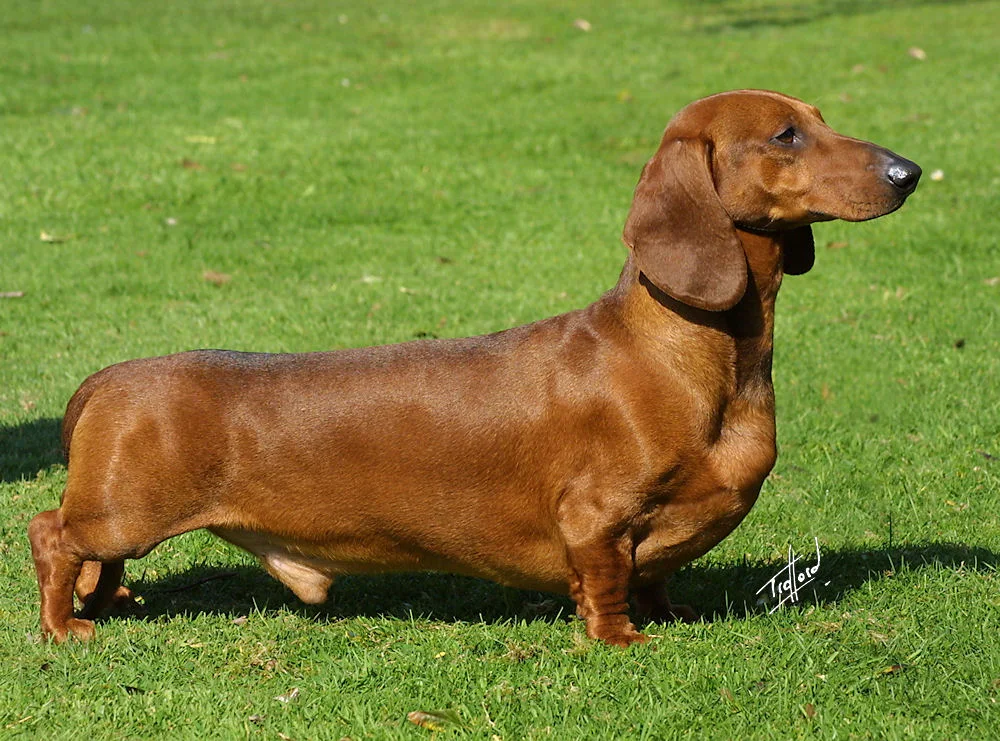
Small
A determined, low-to-the-ground hound with several coat and size varieties. A strong voice and particular attention to back health are part of the decision.
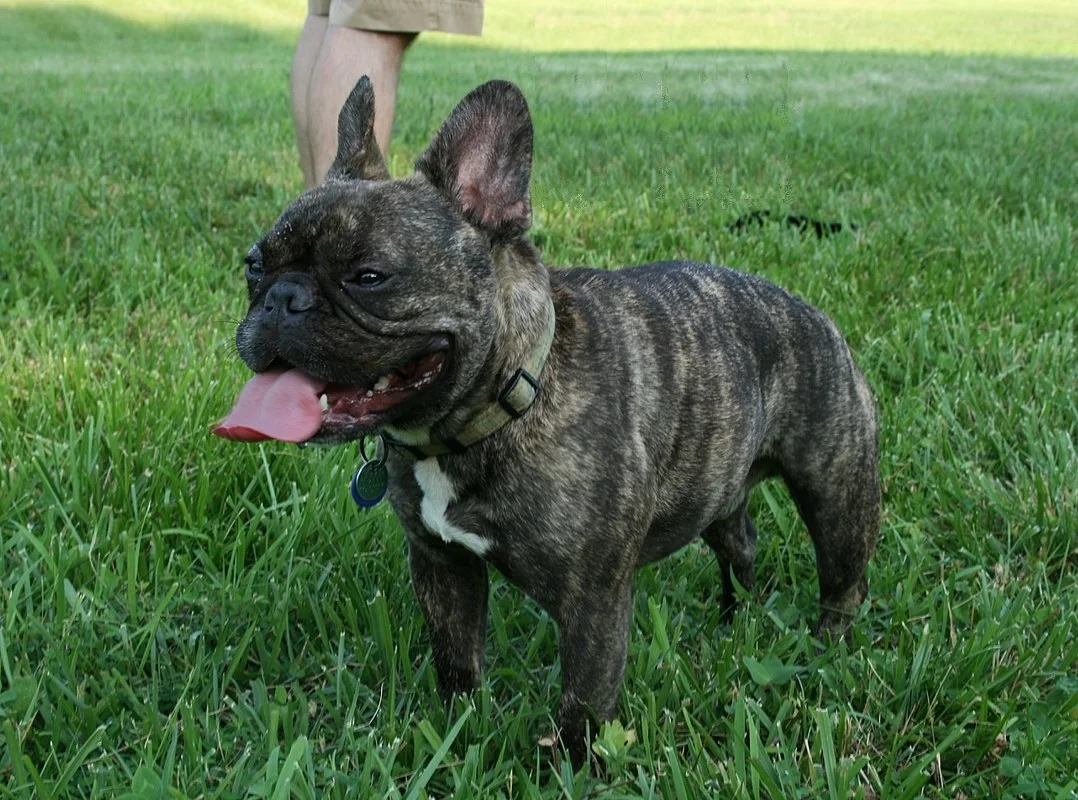
Small
A compact companion with a relatively simple coat but significant breathing and heat considerations. Low exercise intensity must not be mistaken for low care needs.
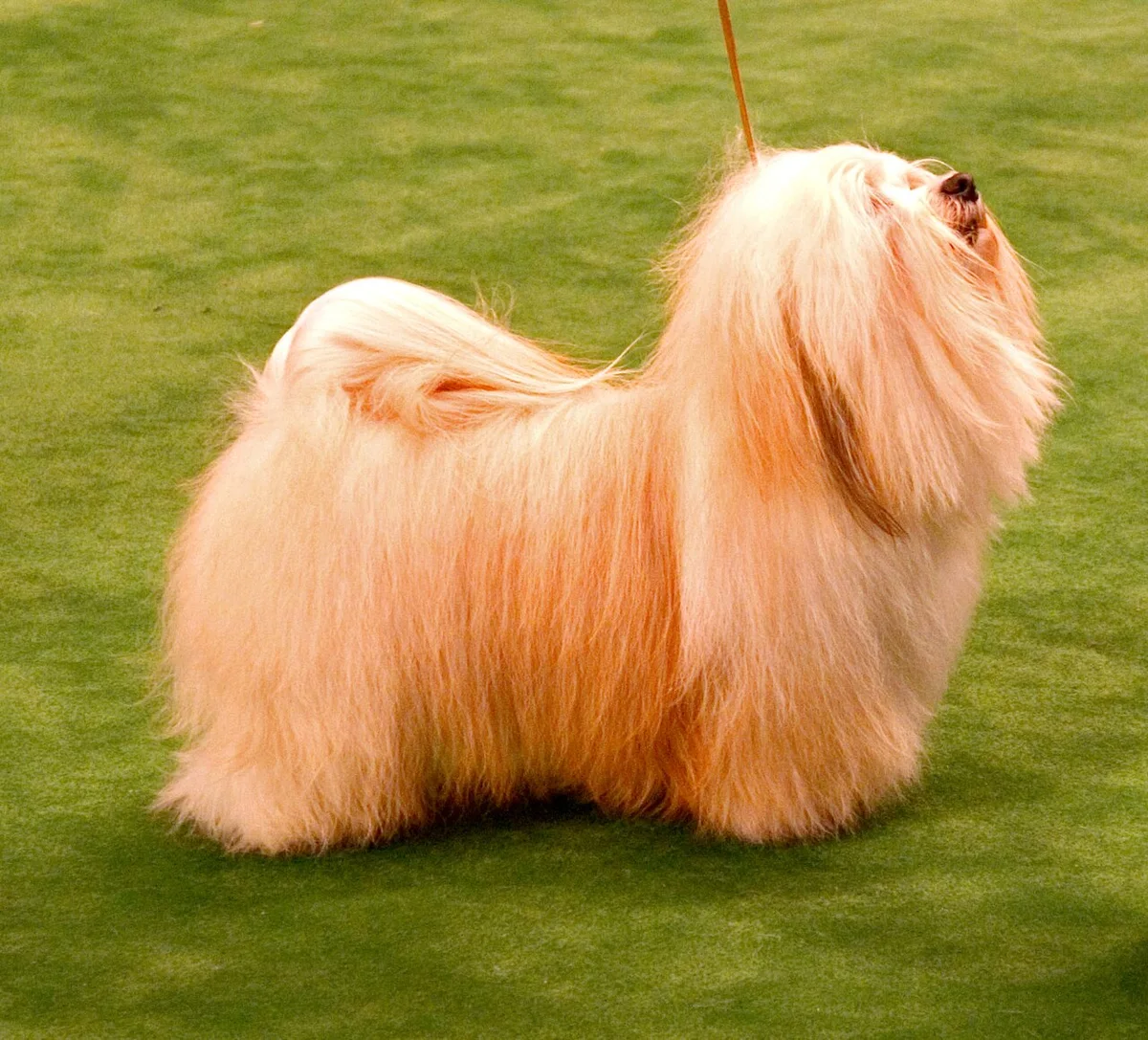
Small 3.2–5.9 kg
A lively companion that usually wants to share household life. Its soft coat and social nature call for regular grooming and a considered plan for time alone.
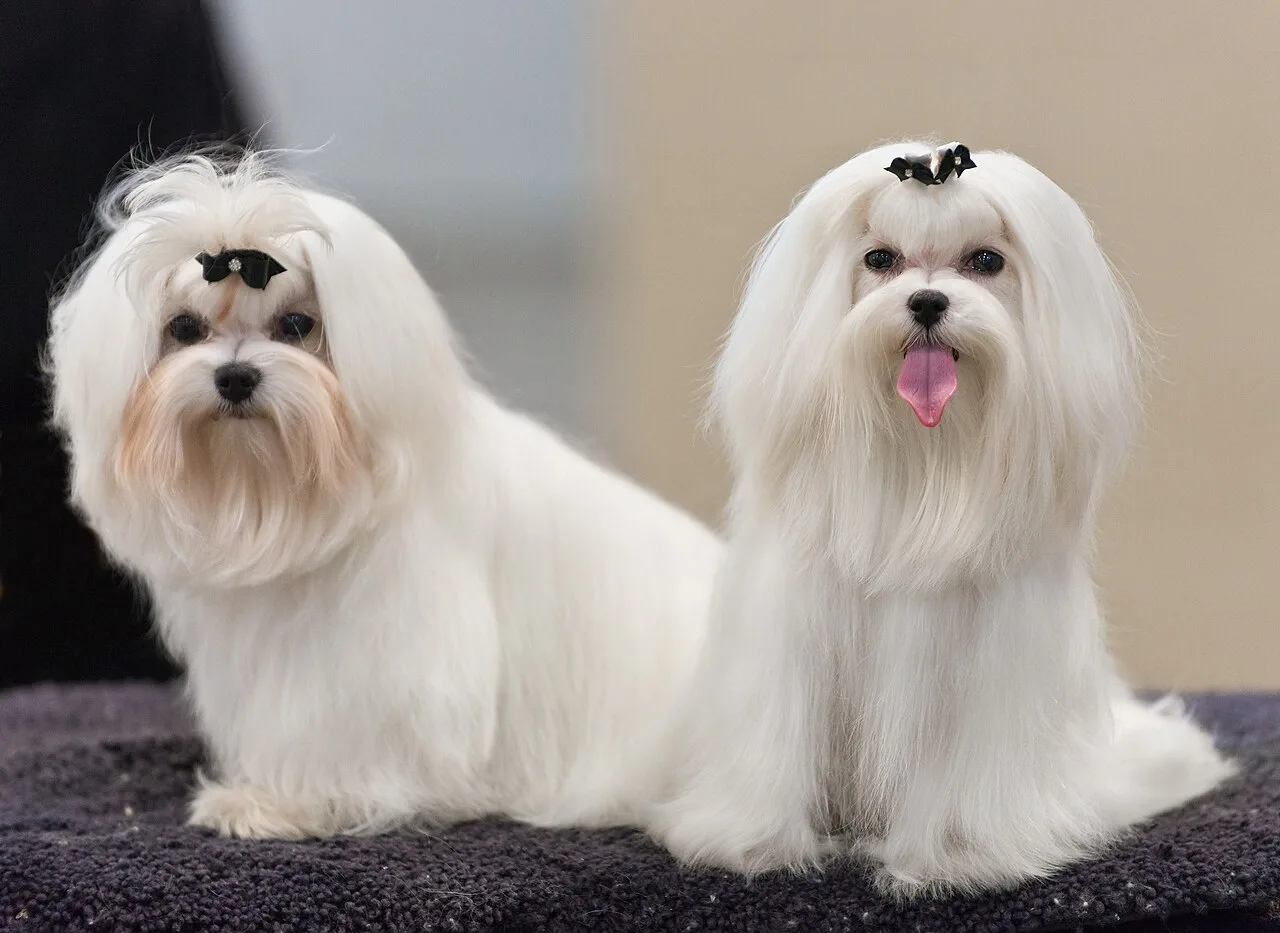
Small
A small companion with a low-shedding coat that requires regular care. A gentle home, sensible dental routine and gradual confidence-building are more useful than a decorative appearance.
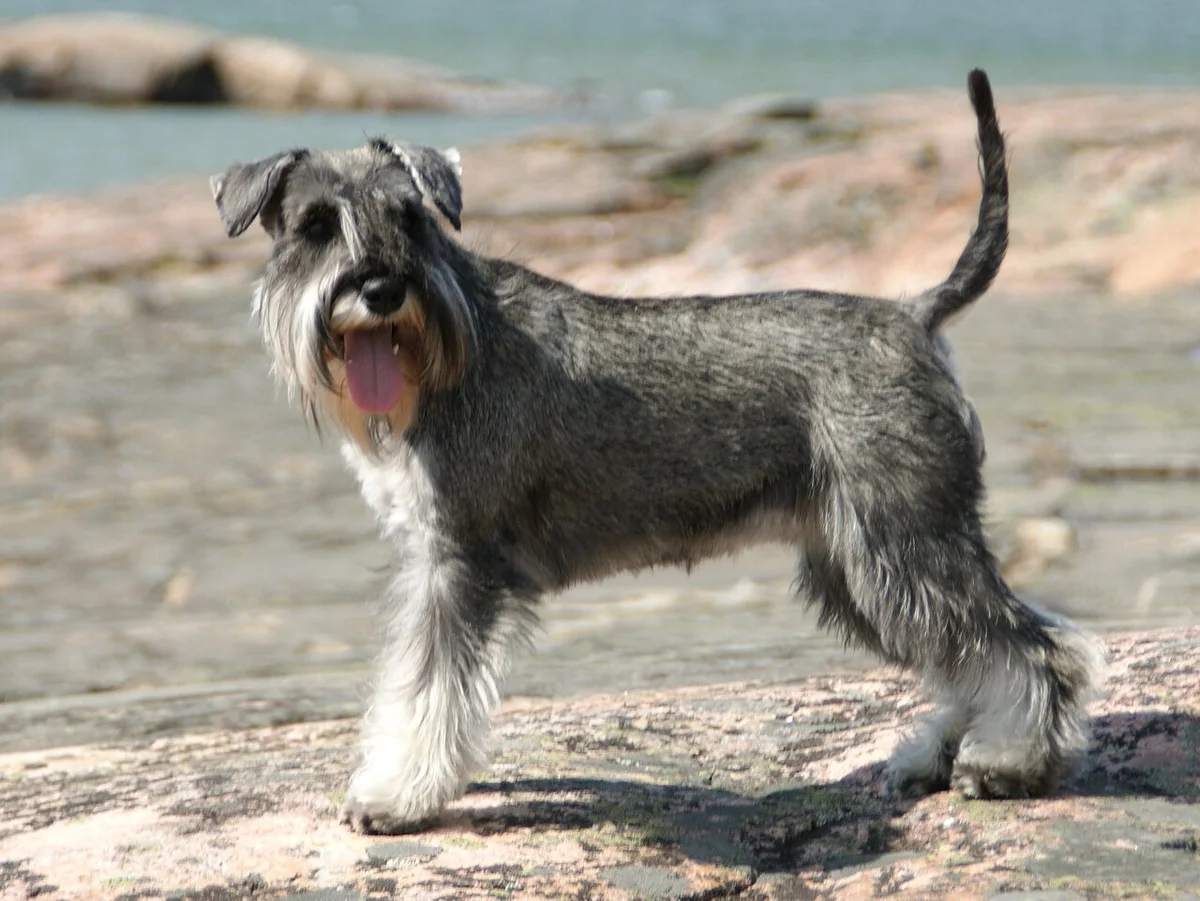
Small 5–9.1 kg
A sturdy small dog with an alert voice and a coat that requires clipping or specialist maintenance. An interested household should enjoy training as well as a distinctive beard.
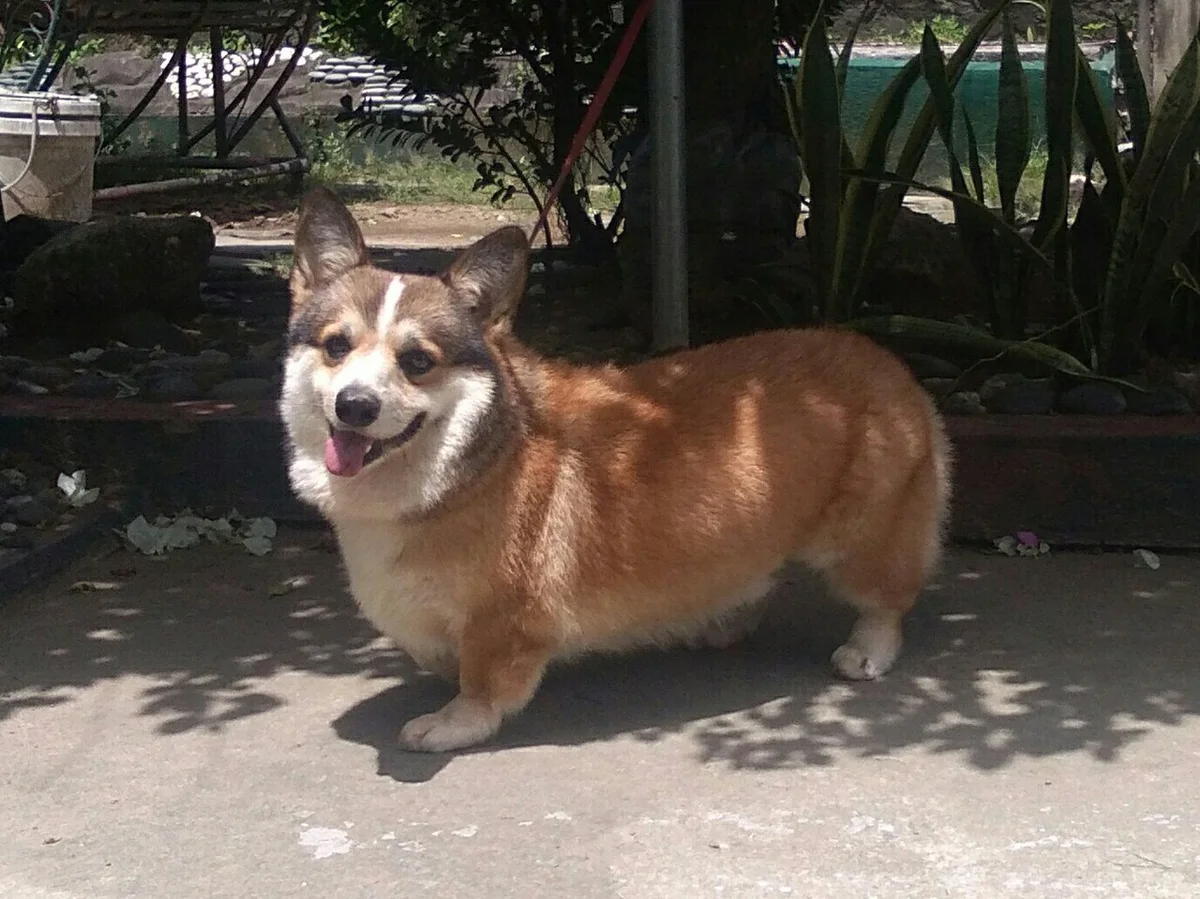
Small 12.7–13.6 kg
A low-built herding dog with strength, opinions and a coat that sheds. Short legs do not mean low exercise needs or little interest in household activity.
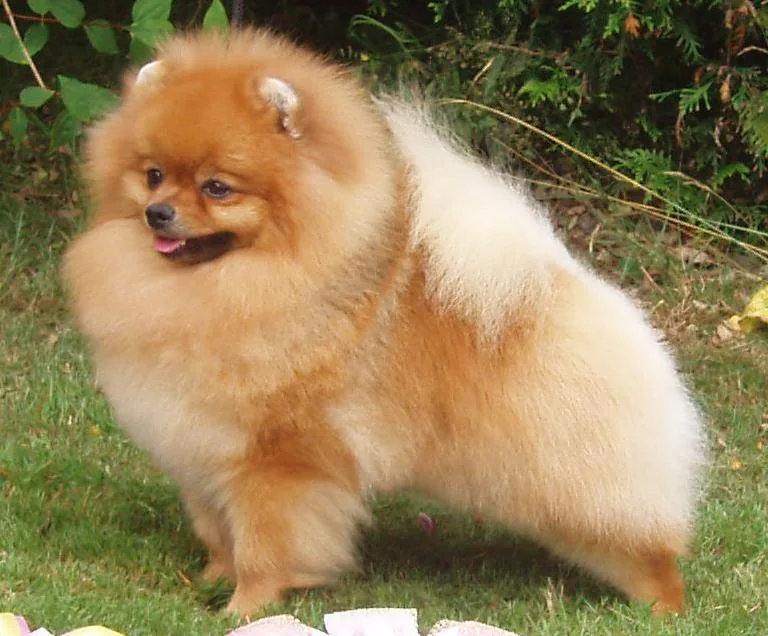
Small 1.4–3.2 kg
A small Spitz with an alert voice and a dense coat. Plan gentle handling, regular brushing and training that helps a lively dog feel secure in everyday situations.
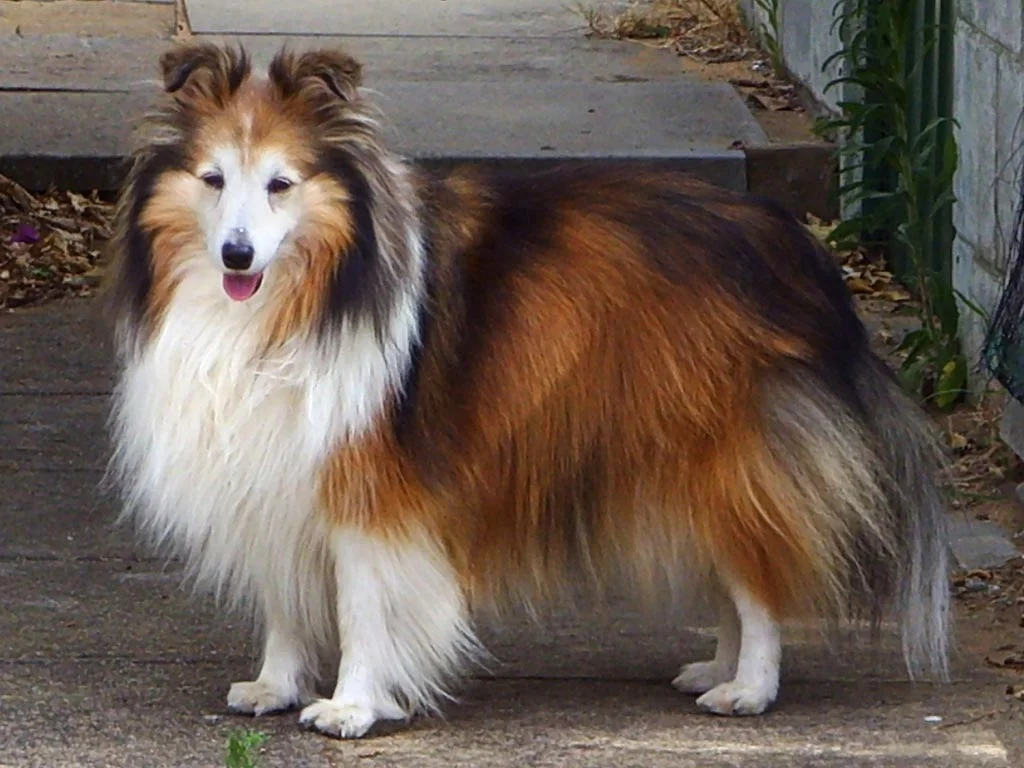
Small 6.8–11.3 kg
A small herding dog with a responsive nature, an alert voice and a full coat. Training and quiet handling matter more than treating it as a miniature Collie.
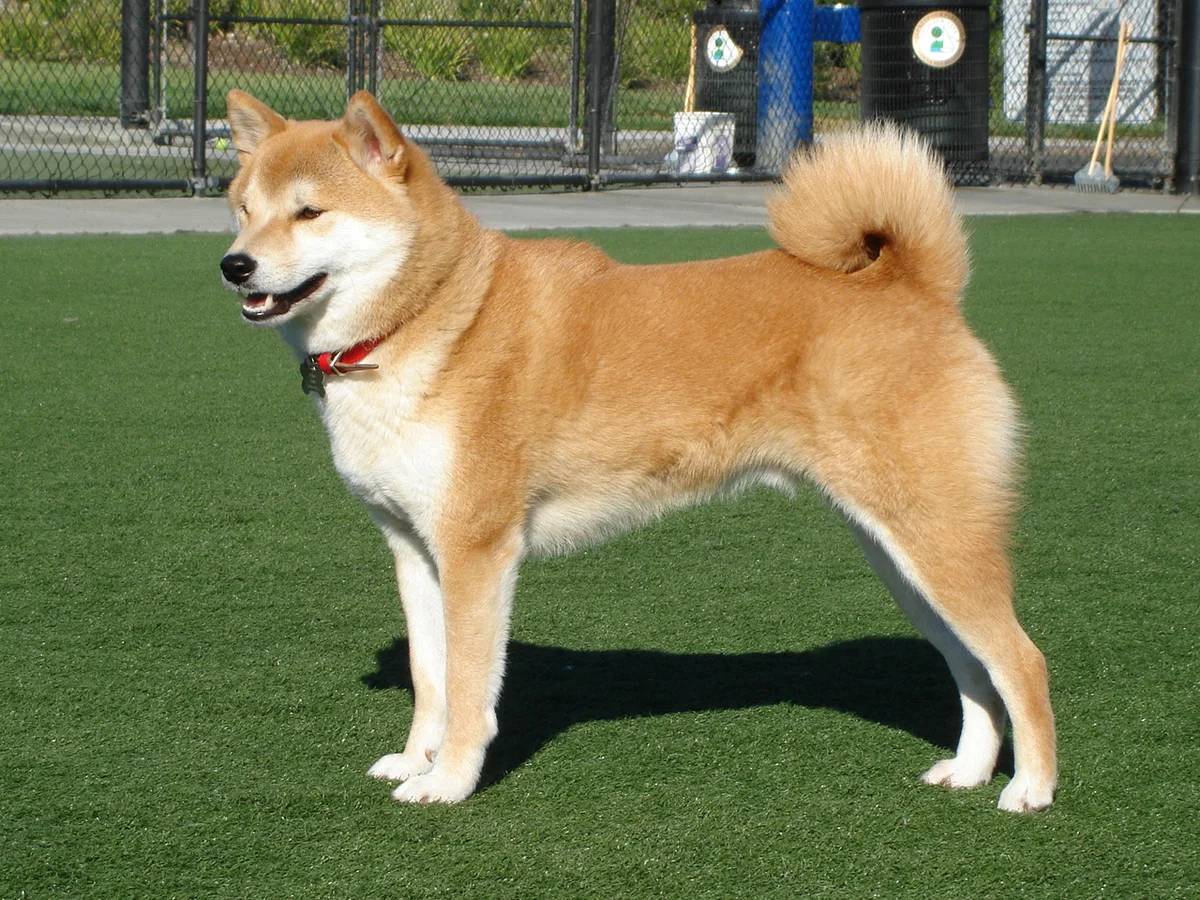
Small 7.7–10.4 kg
An independent Japanese Spitz that often values choice and personal space. Secure walks, patient handling and realistic expectations about obedience are more useful than a fox-like appearance.
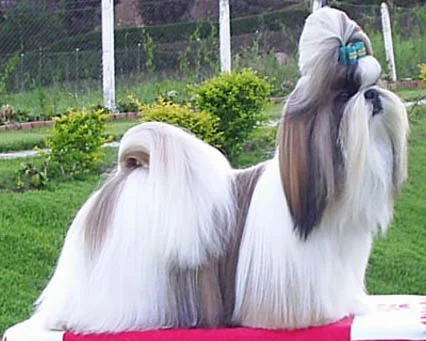
Small 4.1–7.3 kg
A companion dog with a coat that needs sustained attention, even in a practical trim. Gentle exercise and careful planning for hot weather are important.
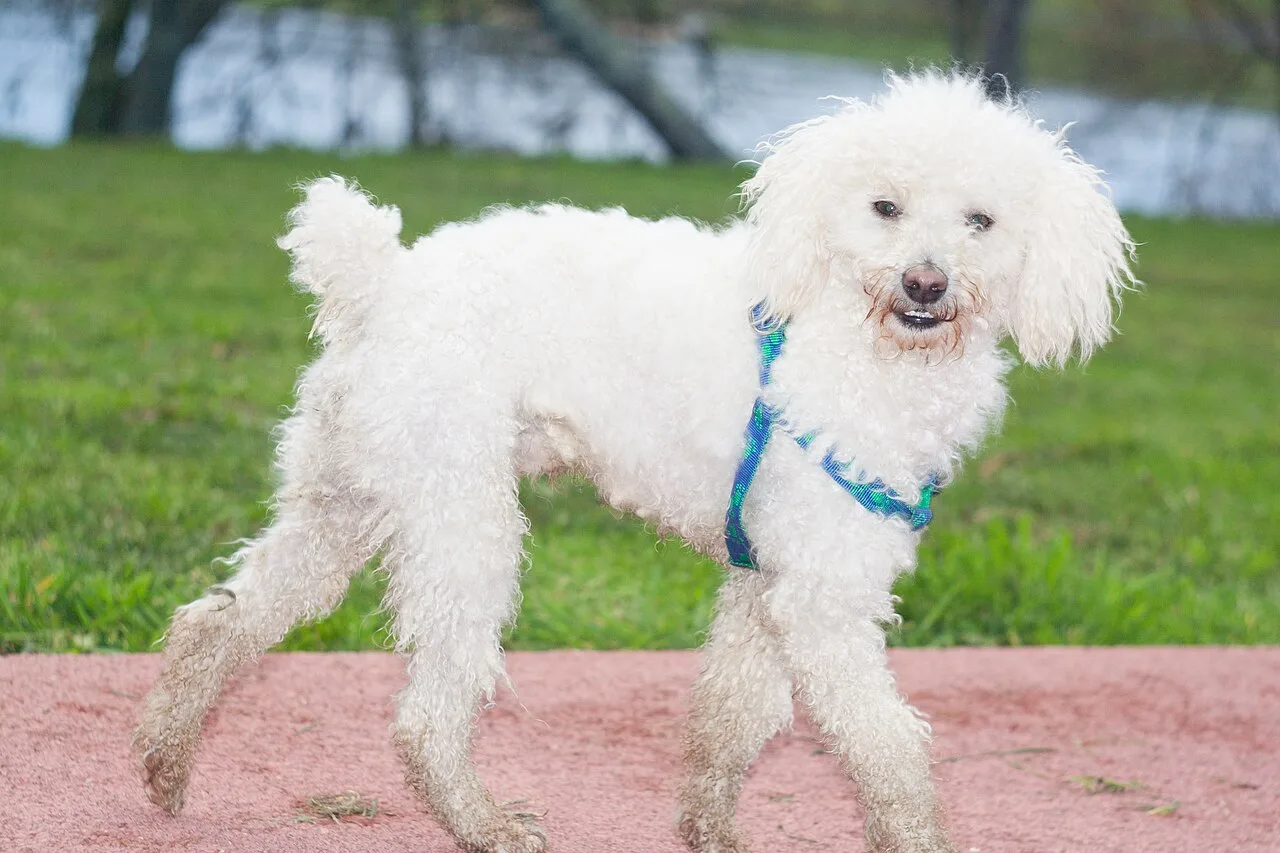
Small 1.8–2.7 kg
A small Poodle variety with an active mind and a demanding coat. Its size makes gentle handling important, but does not remove the need for walks and training.
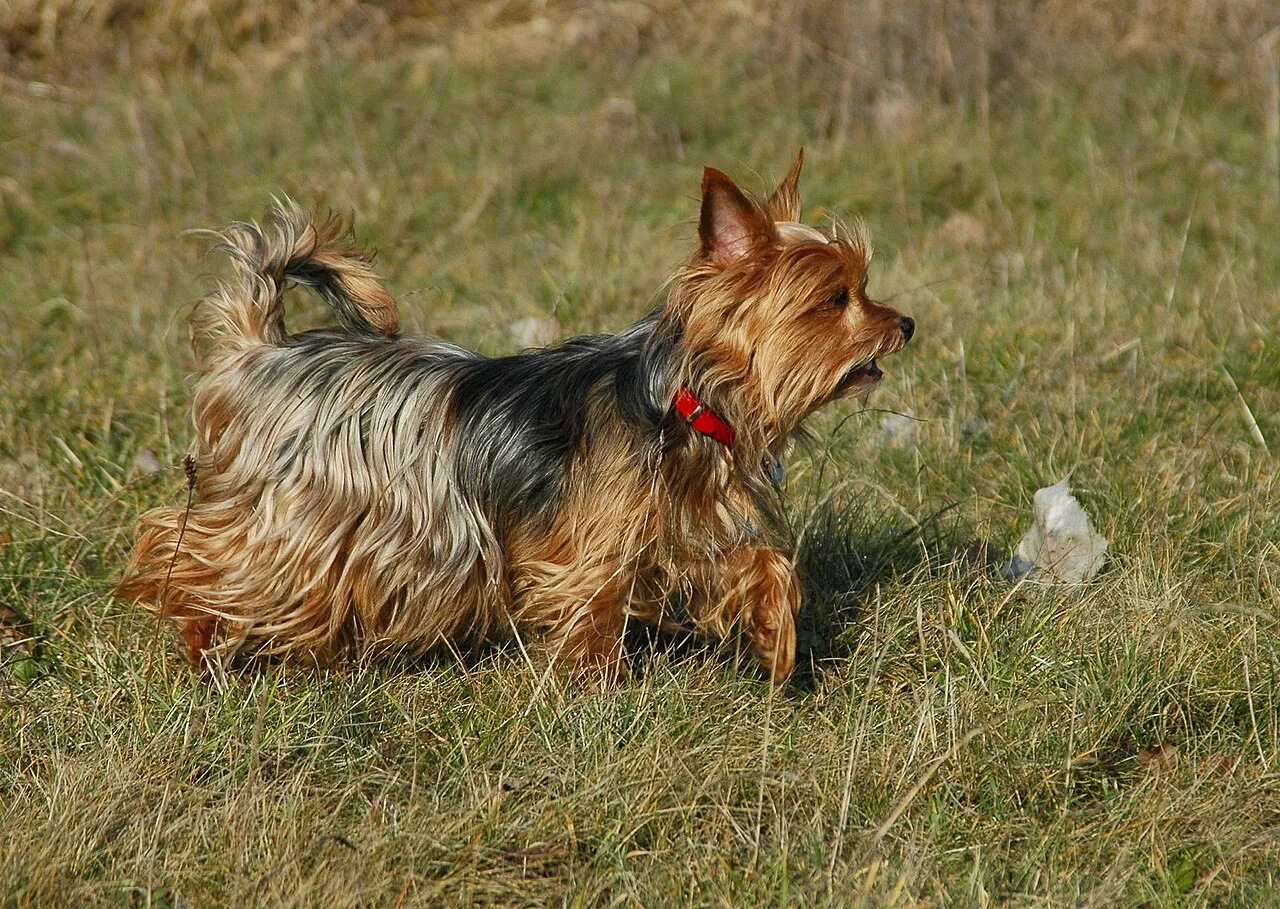
Small 3.2–3.2 kg
A small terrier with considerable interest in the world. Its fine coat and tiny frame need care, while everyday walks and training remain part of normal dog life.
Your cookie preferences have been saved.