
Living with this breed
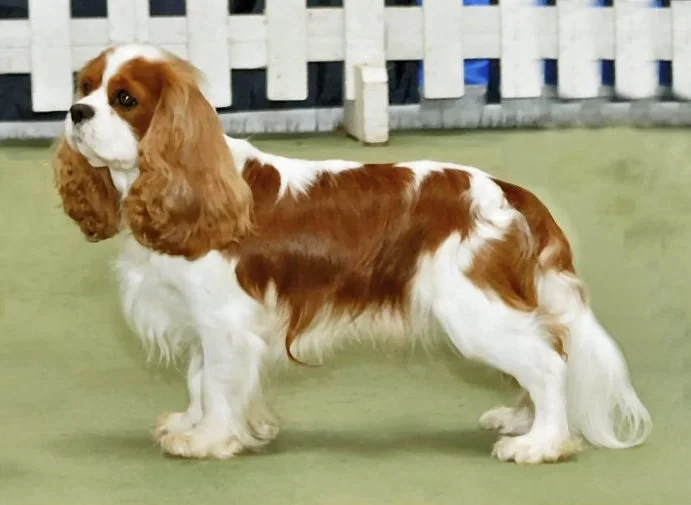
A Cavalier often enjoys being close to people without losing the curiosity of a spaniel. A household should still offer exploration and teach independent rest. The breed’s appealing temperament is only one part of a responsible choice; health history and the quality of screening deserve equal attention from the beginning.
Exercise and training
Provide regular walks, opportunities to sniff and short reward-based lessons. Teach coming when called because birds and other movement can attract a spaniel’s interest. Match the activity to the individual’s age and condition rather than assuming every Cavalier wants either long hikes or a life largely on the sofa.
Coat care
The silky coat needs regular brushing, with particular care around the ears, chest and legs where hair can tangle. Check after walks for vegetation and keep nails and teeth maintained. Ask for help if ear discomfort or skin irritation recurs; repeated cleaning without understanding the cause can delay appropriate treatment.
Household considerations
Cavaliers are often social with people and other dogs, but gentle handling and adult supervision remain necessary. A small dog needs a retreat from children’s play and boisterous companions. Plan how the dog will learn to rest alone for short periods, rather than expecting constant closeness to create independence automatically.
Health and questions to ask
Ask specifically about mitral valve heart disease, neurological conditions including syringomyelia, eye assessments and patella screening. Request the actual dated results and discuss their meaning with a veterinarian. A clear screening result has limits; it cannot promise that a puppy will never develop a condition later in life.
Sources and approach
Breedlas combines registry information with editorial interpretation. Trait levels describe general tendencies, not guarantees about an individual dog.
Read our editorial approach