

Living with this breed
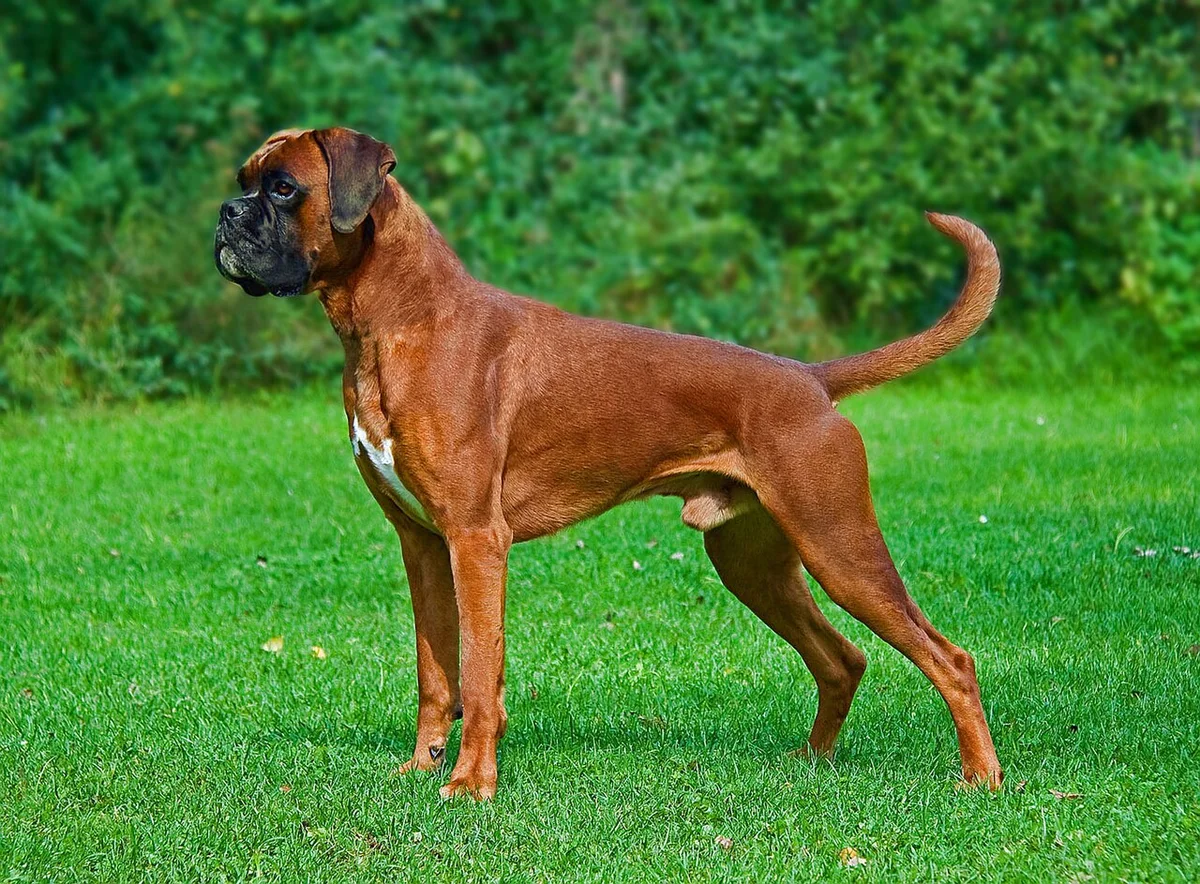
A Dobermann combines a large, athletic body with close attention to its surroundings and people. That can make a responsive training partner, but also creates responsibilities around visitors and daily management. Choose for temperament, health and a workable routine rather than an intimidating appearance or a promise of automatic protection.
Exercise and training
Provide regular exercise, exploratory walks and reward-based mental work. Teach calm leash walking, coming when called and relaxed waiting as deliberately as active skills. Introduce new people and situations at a manageable distance. A predictable home routine helps the dog learn that watchfulness does not require reacting to every change.
Coat care
The short coat is easy to maintain, although loose hair still needs brushing. Keep nails and teeth cared for and examine skin after outdoor activity. A lean short-coated dog may need protection from cold conditions. Cooperative handling matters because strength and sensitivity can make repeated restraint an unhelpful long-term strategy.
Household considerations
Supervise children and other pets and plan introductions to unfamiliar dogs. Make space for undisturbed rest, and teach comfortable time apart gradually. A strong interest in family members does not mean the dog can tolerate any visitor or settle alone without preparation. Ask about adult relatives’ everyday behaviour.
Health and questions to ask
Dilated cardiomyopathy deserves a specific discussion with a veterinarian, including the limits and timing of screening. Ask about heart monitoring, von Willebrand’s disease testing, hips and relevant family history. A single normal examination does not guarantee lifelong heart health; understand the ongoing checks recommended for the individual.
Sources and approach
Breedlas combines registry information with editorial interpretation. Trait levels describe general tendencies, not guarantees about an individual dog.
Read our editorial approach