
Living with this breed
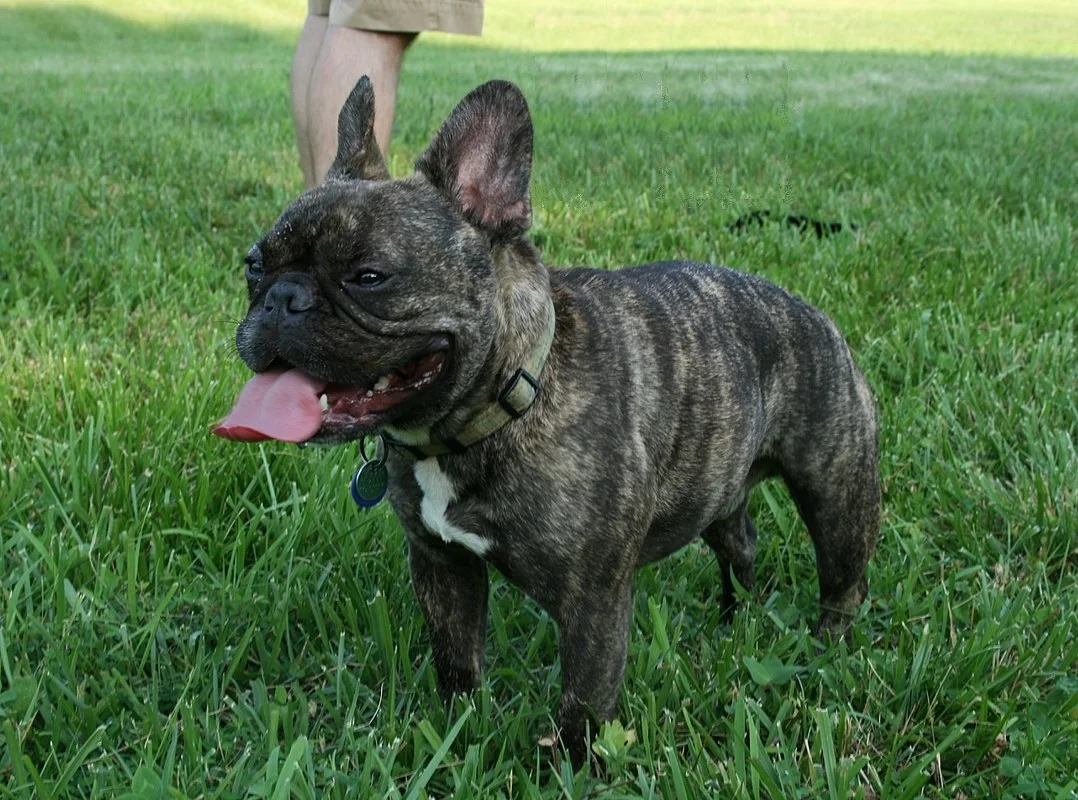
The French Bulldog’s attraction is often its close companionship and compact build. Daily life still needs careful planning around heat, breathing and body condition. Choose an individual that can breathe and move comfortably, and be wary of unusual-colour marketing or exaggerated features being presented as advantages.
Exercise and training
Offer manageable walks and brief training sessions, choosing cooler conditions and the dog’s comfort over a mileage target. Teach recall, settling and gentle handling using rewards. A reluctance to continue can be a reason to stop and assess comfort; it is not an invitation to push a flat-faced dog harder.
Coat care
The short coat needs relatively little brushing, although shedding still occurs. Skin folds require individual assessment and careful drying if they become damp. Nails, ears and teeth need routine attention. Ask a veterinarian how to care for the particular dog’s skin instead of using harsh products or assuming every fold needs the same treatment.
Household considerations
French Bulldogs are often interested in household company, but introductions to children and other animals still need supervision. Provide a quiet bed and teach children not to disturb a resting dog. Manage access to pools and open water carefully; this heavy-fronted breed should never be assumed to be a competent swimmer.
Health and questions to ask
Discuss brachycephalic breathing, spinal health, eyes, skin and heat management before committing. Ask for relevant screening results and clear veterinary records. Snoring and noisy breathing are not reassuring simply because they are familiar breed stereotypes. The registry’s weight reference is an upper limit; ask about the expected size and healthy body condition of the individual dog.
Sources and approach
Breedlas combines registry information with editorial interpretation. Trait levels describe general tendencies, not guarantees about an individual dog.
Read our editorial approach