
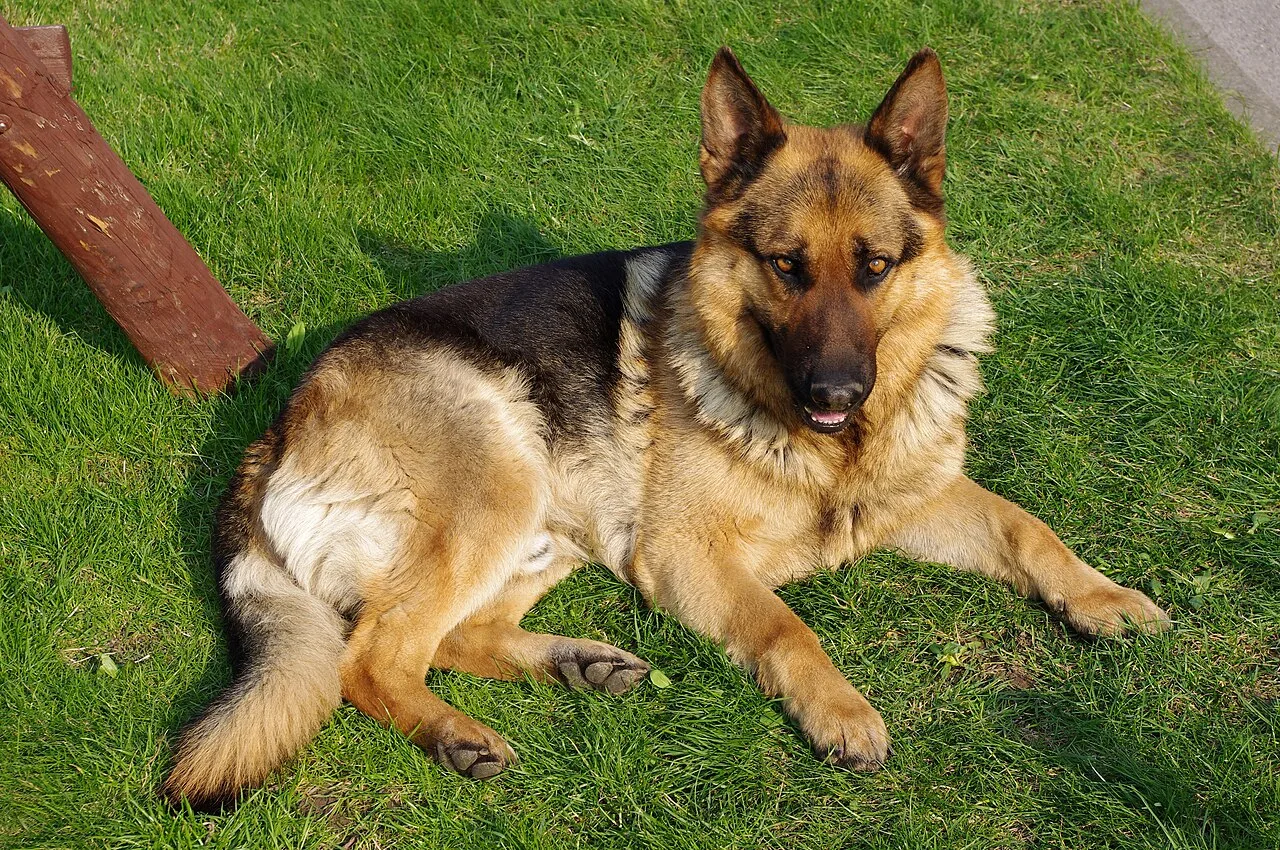
Living with this breed
A German Shepherd often pays close attention to changes around its home and handler. That watchfulness can be useful in working roles, but it needs thoughtful guidance in everyday life. Select for stable temperament and health rather than a dramatic appearance or promises that a puppy will automatically protect a family.
Exercise and training
Provide varied physical activity and mental work, with reward-based lessons in recall, settling and loose-lead walking. Social development means learning that ordinary people and dogs can be uneventful, not meeting everyone at close quarters. A predictable routine and appropriate rest matter as much as exercise intensity.
Coat care
The double coat sheds substantially, including seasonal increases. Brush thoroughly, check the skin beneath the coat and inspect feet after outdoor activity. Long-coated dogs need extra attention to tangles. A powerful dog also needs to learn comfortable handling, nail care and veterinary examination before those tasks become urgent.
Household considerations
Supervise children and visiting animals and arrange introductions with space to move away. Consider whether all adults can handle the dog on lead and maintain consistent rules. A garden is a management tool, not an exercise or socialization programme, and isolation can make a vigilant dog’s everyday world smaller.
Health and questions to ask
Ask for documented hip and elbow assessments and discuss degenerative myelopathy testing and family health history. Learn about bloat with a veterinarian and agree an emergency plan. Avoid treating a particular back outline, coat colour or pedigree label as evidence of sound movement or good health.
Sources and approach
Breedlas combines registry information with editorial interpretation. Trait levels describe general tendencies, not guarantees about an individual dog.
Read our editorial approach