
Living with this breed
A Havanese is a companion first, with a small body and an interest in what people are doing. That can be enjoyable in an involved household. It can also mean that an owner must actively teach independent relaxation, rather than assuming a friendly dog will be equally comfortable when everyone leaves.
Exercise and training
Provide daily walks, exploratory play and short lessons taught with rewards. Practise coming when called and calm greetings along with cooperative grooming. A modest home can offer enough living space, but it does not replace exercise or new experiences. Introduce unfamiliar places gradually so the dog can observe without being crowded.
Coat care
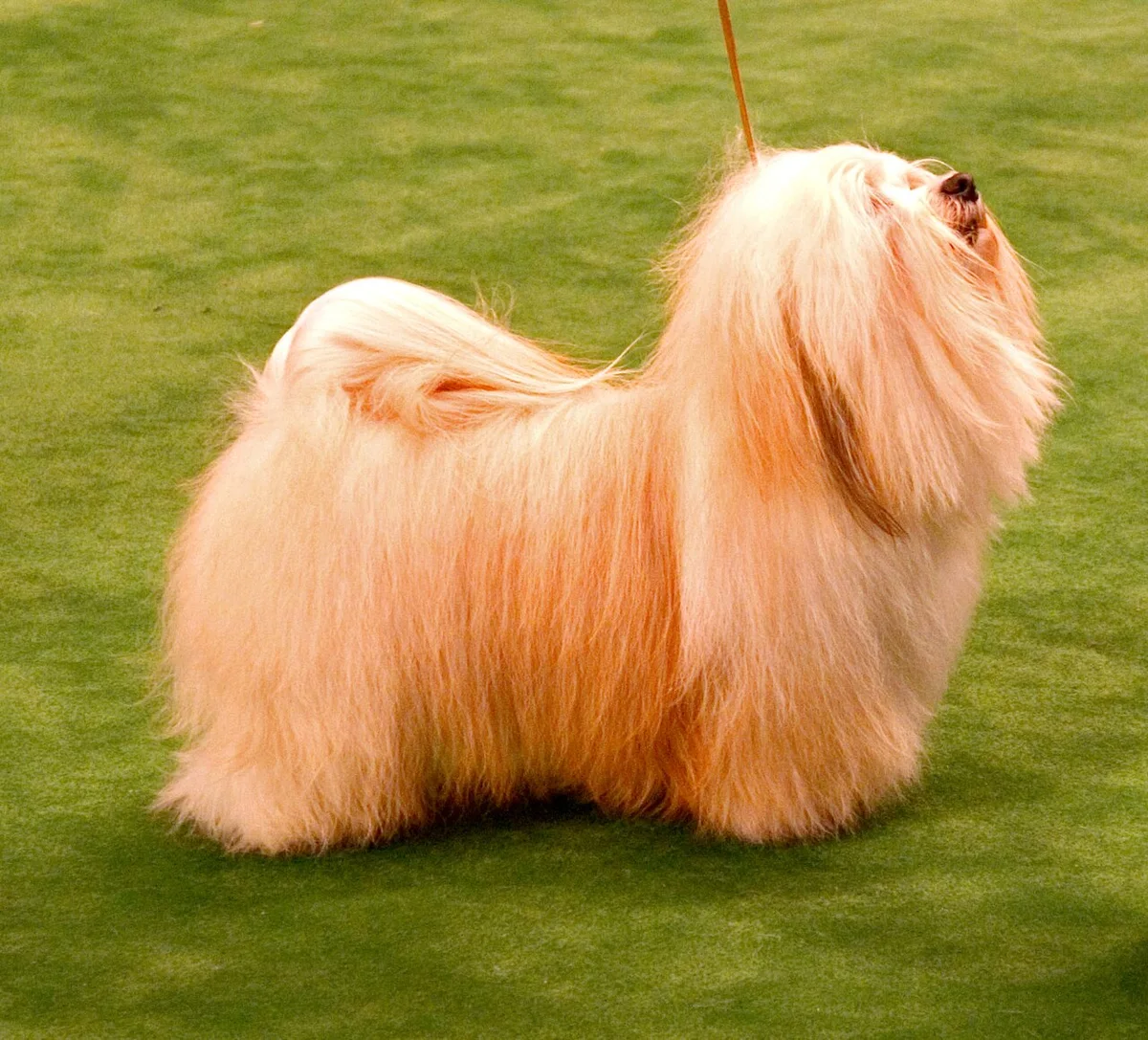
The soft coat can tangle, especially where the legs, ears and harness create friction. Regular combing and a maintained practical trim can make care more manageable. Check the coat down to the skin and introduce handling in small steps. Teeth and nails need attention regardless of the hairstyle chosen.
Household considerations
Supervise children and larger animals, even with an outgoing individual. Give the dog a resting place away from play and teach visitors to let it approach. Ask how the dog responds to normal home noises and short absences; social confidence with people is not the same as confidence when alone.
Health and questions to ask
Request documented information on eyes, patellas and the breed’s recommended health assessments. Discuss hearing, heart findings and any movement concerns with a veterinarian. A breeder should be able to explain the purpose of the tests rather than relying on a general label such as “vet checked.”
Sources and approach
Breedlas combines registry information with editorial interpretation. Trait levels describe general tendencies, not guarantees about an individual dog.
Read our editorial approach