
Living with this breed
A Maltese is often happiest participating in the household’s everyday routine. Its small size makes shared indoor space straightforward, but it can also encourage people to overlook independent rest and proper training. Choose an adult temperament that suits your routine rather than assuming all white-coated toy dogs behave alike.
Exercise and training
Offer short walks, sniffing and playful reward-based lessons. Teach the dog to come when called, accept handling and stay comfortable around ordinary household activity. Small steps are useful for building time alone; carrying the dog continuously can make it harder to practise confidence at floor level.
Coat care
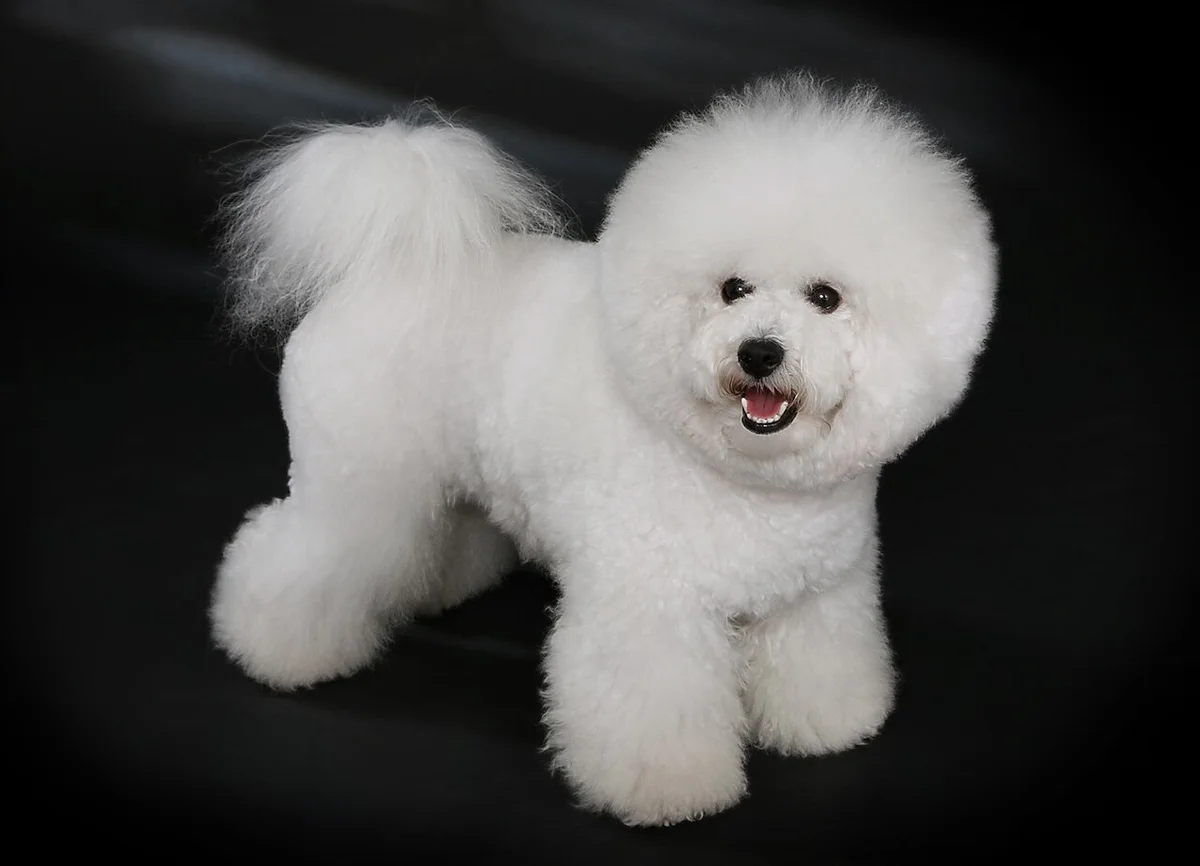
The coat needs brushing and combing to prevent tangles. A practical trim can simplify care, provided it is maintained between appointments. Attend to the face gently and investigate persistent irritation or staining instead of treating appearance alone. Tooth brushing and nail maintenance are important parts of care for this small companion.
Household considerations
Rough play with young children or large dogs can be unsuitable for a fragile individual. Adults should supervise interactions and provide a bed where the dog can rest undisturbed. Consider how visitors approach: sitting down and inviting contact is less intimidating than reaching from above to lift a small dog.
Health and questions to ask
Ask about patella and heart assessments and the breeder’s approach to liver screening in puppies. Discuss dental care and the individual’s health records with a veterinarian. The registry gives an upper weight limit rather than a typical range; ask about the individual dog’s expected adult size.
Sources and approach
Breedlas combines registry information with editorial interpretation. Trait levels describe general tendencies, not guarantees about an individual dog.
Read our editorial approach