Living with this breed
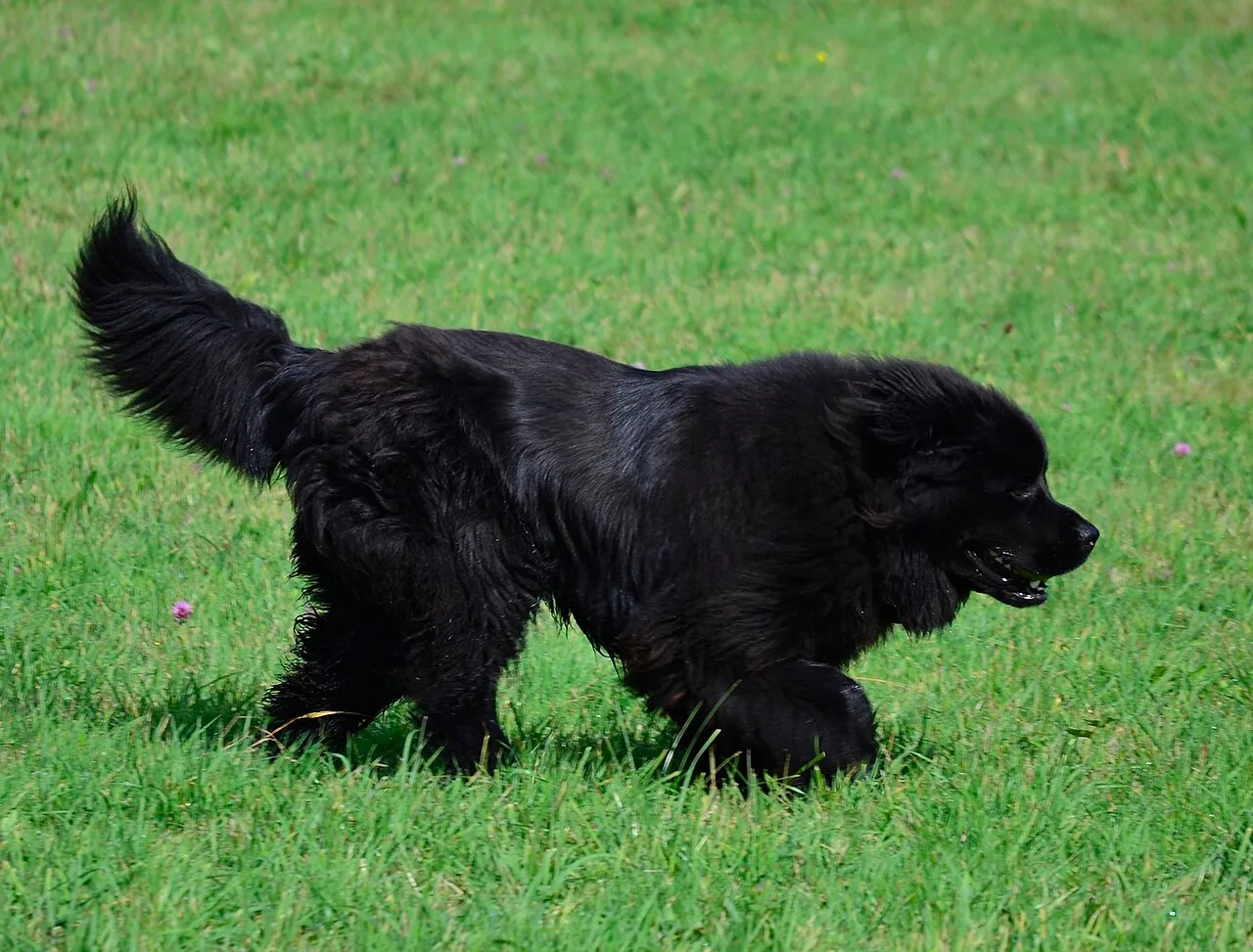
A Newfoundland may be patient and social while still being an enormous dog to house and handle. The familiar gentle reputation should sit alongside an honest picture of muddy paws, wet fur and a strong youngster learning manners. Meet adults and consider the daily work, not only the appealing puppy.
Exercise and training
Provide regular walks and age-appropriate activity with reward-based training in calm greetings and leash skills. Water work should use safe conditions, suitable supervision and conditioning rather than an assumption of effortless swimming ability. Teach the dog to rest after activity and obtain advice before asking a growing youngster to do strenuous work.
Coat care
The dense double coat requires thorough brushing and combing, particularly in areas that tangle beneath the surface. Dry carefully after swimming or wet walks and check ears and feet. Grooming time and drying space are real commitments. A large dog benefits from learning to cooperate with handling rather than simply being restrained.
Household considerations
Children and smaller animals still need supervision around a dog of this weight. Plan a cool, accessible resting place, enough room at entrances and suitable transport. Check whether all adults can manage the dog safely. Social interest in people is not evidence that an individual can cope with any household schedule.
Health and questions to ask
Ask about hip and elbow assessments, cardiac screening and cystinuria testing where relevant. Review family health history with a veterinarian and discuss body condition, growth and emergency arrangements. Before committing, price routine and unexpected care at adult weight; supplies and veterinary needs do not stay at puppy scale.
Sources and approach
Breedlas combines registry information with editorial interpretation. Trait levels describe general tendencies, not guarantees about an individual dog.
Read our editorial approach