
Living with this breed
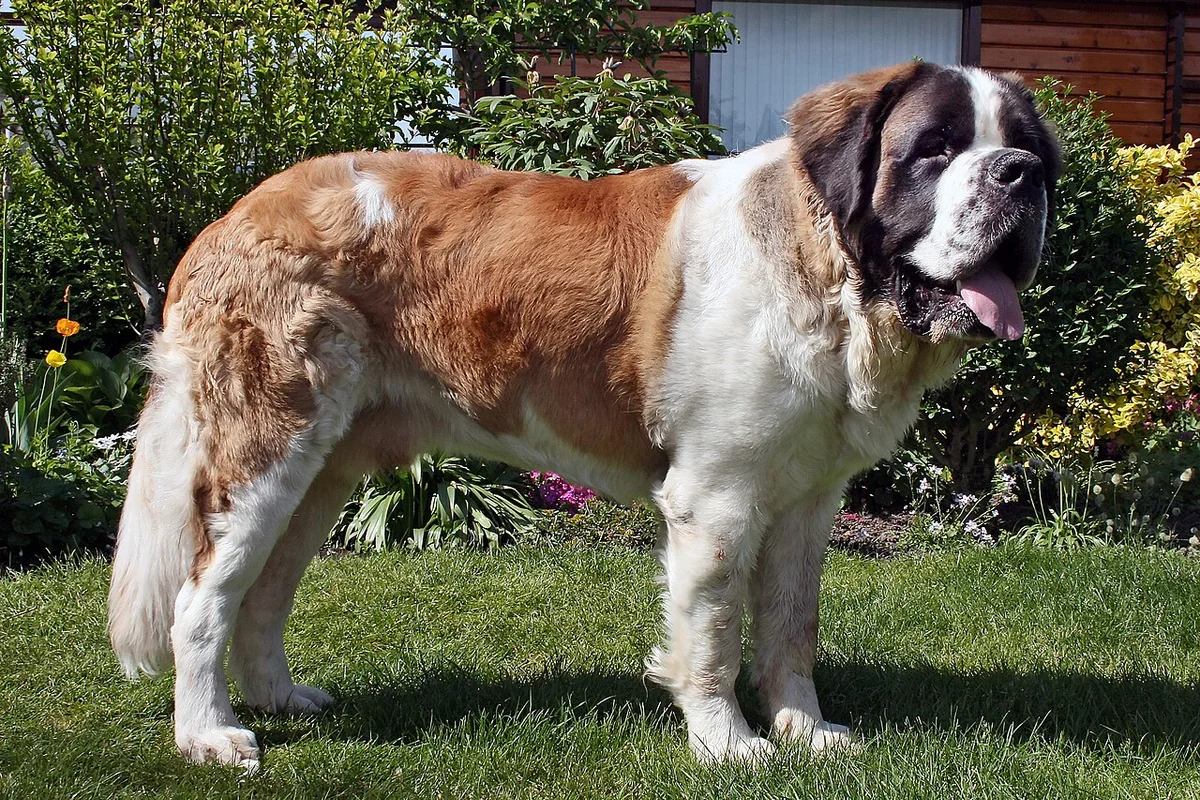
A Saint Bernard brings a large head, substantial weight and often noticeable drool into the home. A patient personality can be attractive, but it does not solve access, transport or cleaning. Consider how a full-grown dog will fit through busy household spaces and how you would help one that cannot walk unaided.
Exercise and training
Use regular moderate activity and reward-based lessons in calm greetings, loose-leash walking and waiting. Keep exercise suitable for growth, condition and weather. An adult that enjoys resting still needs appropriate walks and mental interest. Teach useful routines before a young dog becomes too strong to manage through physical restraint.
Coat care
Both short and long coats occur, and each needs brushing and attention during shedding. Longer hair can tangle behind the ears and around the legs. Keep teeth and nails maintained and check damp areas around the mouth and neck. Set up comfortable grooming space that remains practical as the dog grows.
Household considerations
Supervise children and smaller pets because body weight alone can cause accidental injury. Give the dog a quiet bed with easy access and enough room to rest fully stretched out. In warm conditions, arrange cooling and adjust activity. Ask about the individual’s response to visitors and short absences.
Health and questions to ask
Ask about hip and elbow assessments and eye and heart screening recommendations. Discuss bloat, growth and heat management with a veterinarian. The reference lifespan is relatively short, which deserves the same consideration as temperament. Adult-size food, medication, equipment and emergency transport costs should be included in the ownership budget.
Sources and approach
Breedlas combines registry information with editorial interpretation. Trait levels describe general tendencies, not guarantees about an individual dog.
Read our editorial approach