
Living with this breed
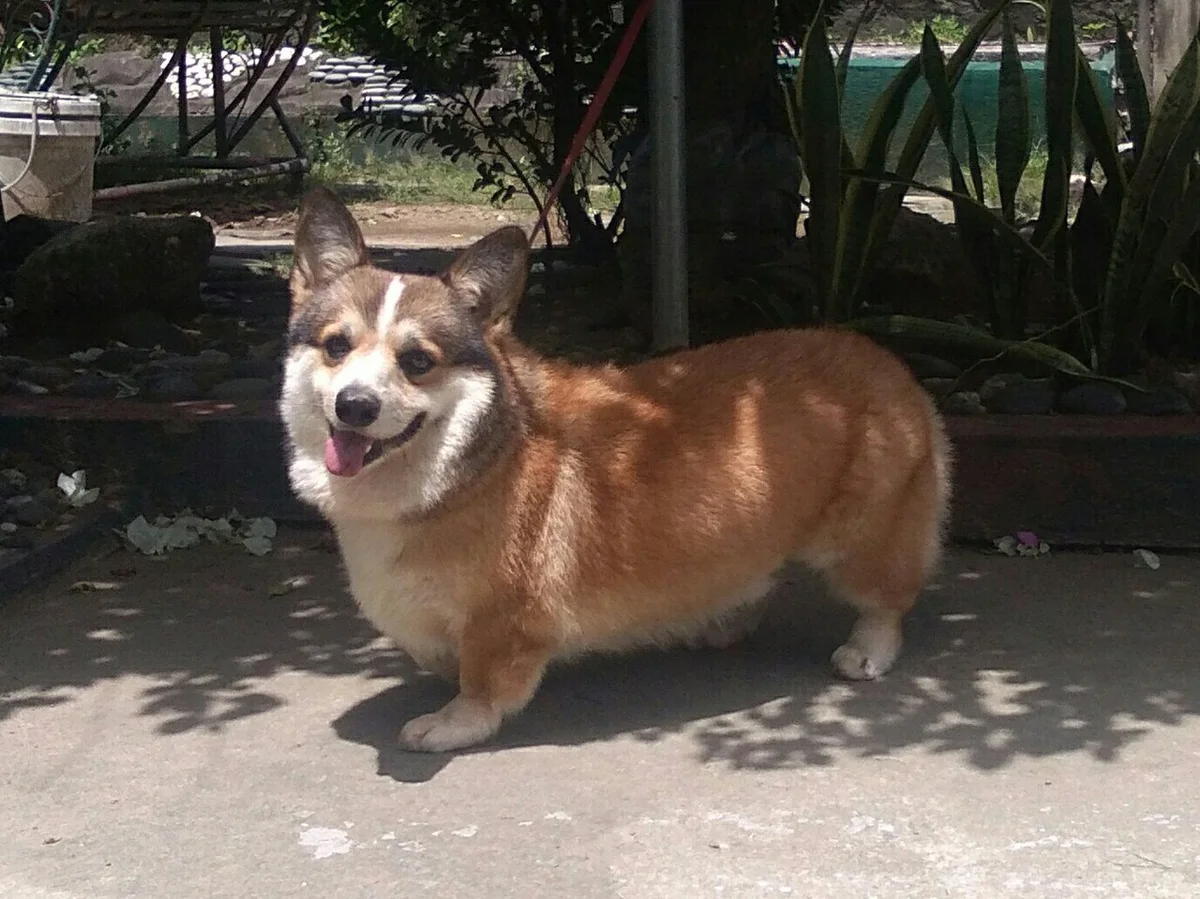
A Pembroke Welsh Corgi is a working-type dog in a low body. It may be observant, vocal and ready to influence what happens around it. The practical question is whether the household wants to train an active dog, not whether a short-legged dog will fit beneath a coffee table.
Exercise and training
Provide regular walks, sniffing and reward-based lessons that include coming when called and walking calmly on a leash. Teach appropriate responses to movement rather than allowing repeated chasing of feet. Keep activity suitable for body condition and age; neither excess weight nor exercise beyond the individual’s ability is helpful.
Coat care
The double coat sheds and needs regular brushing, with extra work during seasonal changes. Check the underside after wet walks and introduce nail care calmly. A short-looking coat can still leave substantial hair indoors, so choose based on the maintenance you can sustain rather than coat length alone.
Household considerations
Children and other animals need supervised introductions and clear space to rest. The herding background can make fast movement interesting, and barking may be prominent around visitors. Ask about the individual’s responses to noise and frustration. A Pembroke is distinct from the Cardigan Welsh Corgi; the two should not be merged in a breed record.
Health and questions to ask
Ask about hip and eye screening and discuss degenerative myelopathy, bleeding disorders and family health history with a veterinarian. Learn how to support a low, long body securely if lifting is needed. Body condition and comfortable movement are more informative than a fashionable outline or an unusually short appearance.
Sources and approach
Breedlas combines registry information with editorial interpretation. Trait levels describe general tendencies, not guarantees about an individual dog.
Read our editorial approach