Living with this breed
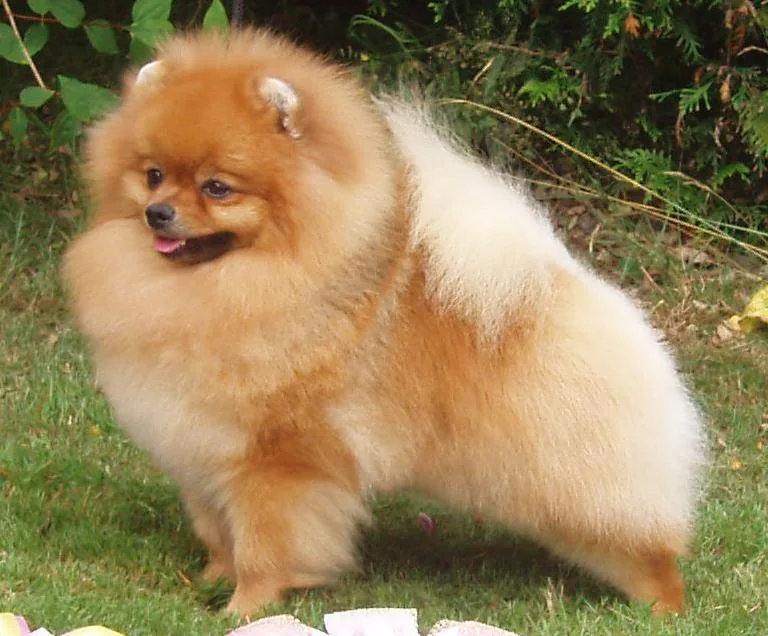
A Pomeranian can be busy and observant despite its small body. Sounds outside the door may be worth announcing, and carrying the dog around will not teach it how to cope with them. Look for confidence and comfortable movement rather than an exceptionally short face, tiny size or exaggerated coat.
Exercise and training
Provide short walks, exploration and brief reward-based lessons suited to the dog’s size and condition. Teach coming when called and calm behaviour around door noises. Let the dog meet ordinary surroundings from a safe distance, with the option to move away; overwhelming encounters can make an already alert companion more reactive.
Coat care
The full double coat needs thorough brushing and combing, particularly where friction creates tangles. A fluffy surface can conceal tight mats beneath. Choose a groomer familiar with Spitz coats and discuss maintenance instead of automatically requesting a close shave. Introduce gentle handling, nail trimming and tooth brushing while the dog is relaxed.
Household considerations
Because the frame is small, supervision around young children and large playful dogs needs to be deliberate. Give the Pomeranian a secure resting area and prevent falls from furniture. A compact home can work, but neighbours, daily routine and the dog’s response to being left alone matter more than floor area.
Health and questions to ask
Ask about patella, heart and eye assessments and discuss coat changes, breathing and dental care with a veterinarian. Tracheal problems occur in the breed, so seek advice about suitable walking equipment. A thick coat should not hide changes in body condition; check weight and movement regularly.
Sources and approach
Breedlas combines registry information with editorial interpretation. Trait levels describe general tendencies, not guarantees about an individual dog.
Read our editorial approach