Living with this breed
A Shih Tzu is commonly chosen for close companionship rather than long-distance activity. That still leaves plenty to teach: comfortable grooming, polite greetings, toilet routines and short periods alone. Decide whether the household enjoys regular coat care, since choosing a smaller companion does not make maintenance disappear.
Exercise and training
Use relaxed walks, indoor play and short reward-based sessions to keep daily life interesting. Adjust activity to breathing and temperature, and avoid strenuous exercise in heat. Teach the dog to walk calmly on a leash and come when called rather than relying on picking it up whenever the environment becomes difficult.
Coat care
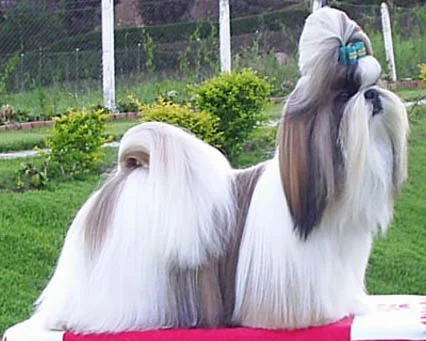
The long coat tangles easily without regular brushing and combing. A shorter trim reduces the work but still requires maintenance between grooming appointments. Keep hair from irritating the eyes and check the skin beneath the coat. Introduce face handling gently; a dog that struggles through grooming needs patient preparation, not force.
Household considerations
Supervise children and other animals and make a quiet resting place available. The short face and small stature are practical considerations around rough play and warm rooms. A calm adult may suit a modest home, but ask about the individual’s barking, toilet habits and ability to rest without constant attention.
Health and questions to ask
Discuss eyes, breathing, patellas and hip health with a veterinarian, and request relevant screening evidence. The prominent eyes require particular care and changes in comfort should be examined. Ask what grooming and medical care the individual already needs rather than accepting a general promise of a healthy companion.
Sources and approach
Breedlas combines registry information with editorial interpretation. Trait levels describe general tendencies, not guarantees about an individual dog.
Read our editorial approach